Tag: RZR Belts

  • Can I Replace a Polaris Drive Belt Myself

    Can I Replace a Polaris Drive Belt Myself

    As an Amazon Associate we earn from qualifying purchases. This post contains affiliate links, and we may earn a commission at no extra cost to you.

    Before replacing your belt, see our Best Polaris RZR Belt guide to choose the right one.

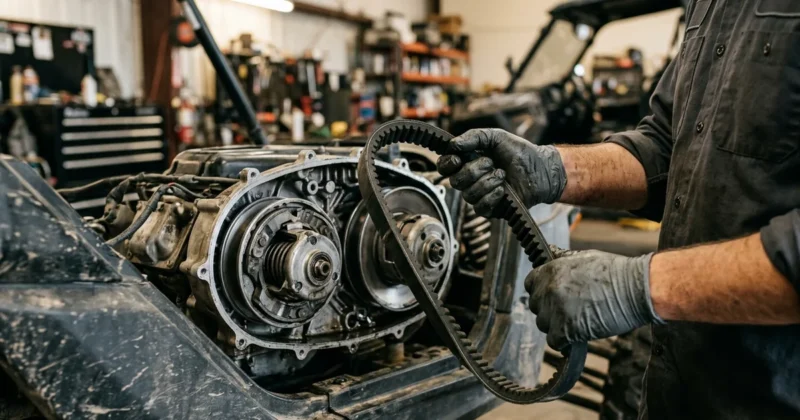
    Yes, you can it ain’t rocket surgery. You can swap out a Polaris drive belt yourself. No need to fork over your hard-earned cash to a mechanic. Just grab your tools and get to work.

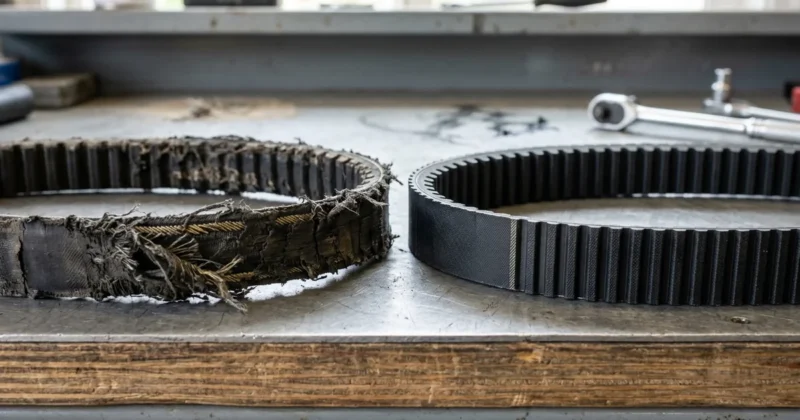
    Now, before you dive in, you gotta know what you’re looking for. How do you know when it’s time to replace that belt? Well, first off, keep an eye on the wear and tear. If it’s starting to crack or fray or has glassing it’s time to swap it out.

    Buy the right belt with our buying guide on finding your Polaris RZR belt

    How To Replace The Drive Belt On Your Polaris RZR

    Materials:

    • Safety glasses
    • Rubber gloves
    • Rags
    • Maroon scotch brite
    • 10 millimeter socket
    • Belt removal tool
    • Tusk flex drive clutch cover removal tool (with 5/16 inch socket)
    • Polaris CVT belt
    Whats the best RZR belt UTV Gear, Tips & Tricks

    Instructions:

    1. Use the Tusk flex drive clutch cover removal tool to get into hard-to-reach places. If you don’t have this tool, use a 5/16 inch socket.
    2. Remove the bolt from the bracket to get the air duct out of the way.
    3. Take out all the screws in the clutch cover and remove it.
    4. Use the drive belt removal tool to separate the clutch sheaves and loosen the tension on the belt.
    5. Grab the belt from the bottom and work it off the driven clutch.
    6. Rotate the clutch to help pop the belt off and move it around the primary clutch.
    7. Install the new belt the same way the old one was installed.
    8. Inspect the old belt by comparing it to a new belt. Look for uneven wear, frayed cords, visible damage, glazing, or hourglassing.
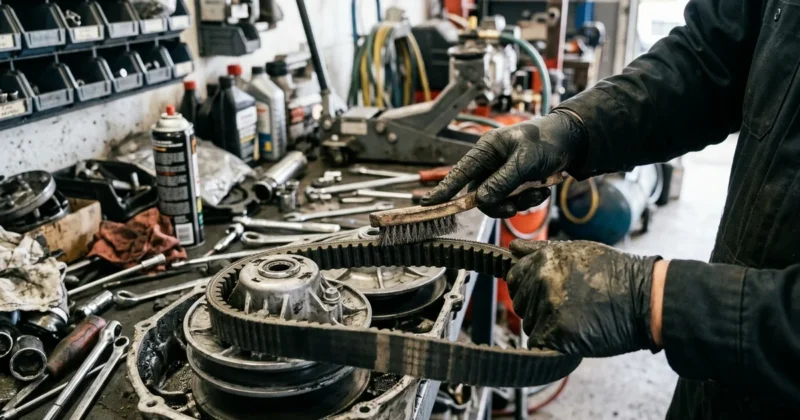
    9. Clean the clutches by removing any pieces or cords stuck on them.
    10. Use compressed air to clean off the dust on the clutches, wear a dust mask, and do this outside.
    11. Inspect the clutch sheaves for damage or glazing by running your fingernail across them. If you feel any deep grooves, replace the clutch. If you see a shiny or dark surface on the sheaves, use scotch brite to clean them up.
    12. Wipe everything down with a rag.

    Note: scuff up the clutch sheaves to avoid running a new belt on a glazed surface. Belt lifespan depends on how the machine is driven, so avoid high heat and install a belt temperature sensor if needed.

    Conclusion

    So there you have it, amigo. Don’t be afraid to take on this drive belt inspection and replacement yourself. You’ll save some cash and feel like a real grease monkey in the process. And when it comes to Polaris off-road vehicles like the RZR, this drive belt replacement process is pretty much the same.

    Related Questions About Polaris RZR Drive Belts

    How Do I Know My Polaris RZR CVT Belt Is Worn?

    One of the most common injuries that RZR riders face is a worn-out drive belt. You check for glassy sides of the belts. Also, sluggish acceleration or jumping suddenly can be a sign of a worn belt

    How Long do Polaris RZR drive belts last?

    When it comes to the Polaris RZR, one question that always seems to be on people’s minds is just how long that drive belt can hold out. Will it last you for hundreds of miles of trail riding, or is it more likely to give out on you just when you’re starting to hit your stride?

    If you’re shopping for a replacement, this is the belt we point people to for RZR CVTs.

    Our Pick

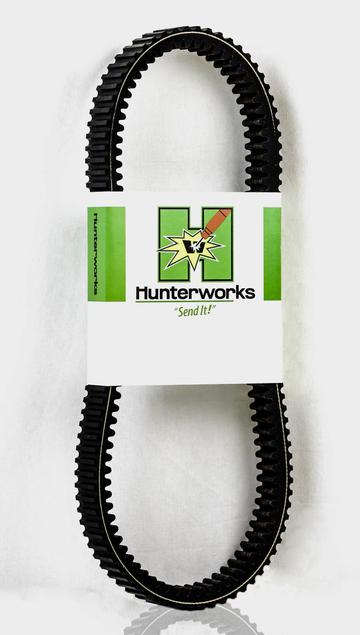
    Hunterworks CVT Drive Belt for 2014-2023 Polaris RZR XP 1000 (All Models) XP4, HL, Trail, Sport, Ultimate, Premium

    Hunterworks CVT Drive Belt for 2014-2023 Polaris RZR XP 1000 (All Models) XP4, HL, Trail, Sport, Ultimate, Premium

    • Fits: 2014-2023 Polaris RZR XP 1000 (All Models) Does NOT Fit 2024. 2024 has new clutch set up (Part Number HW
    • Engineered for Toughness and Strength: Hunterworks drive belts are meticulously engineered for improved belt g
    • Proprietary construction: With the latest and greatest manufacturing process out there, we ensure Hunterworks
    Check current price on Amazon
  • Should you wash a Polaris CVT belt? Yes and Here’s How.

    Should you wash a Polaris CVT belt? Yes and Here’s How.

    As an Amazon Associate we earn from qualifying purchases. This post contains affiliate links, and we may earn a commission at no extra cost to you.

    Are you an avid UTV enthusiast who wants to ensure that your ride performs at its best but you wonder Should You Wash A Polaris CVT Belt? As a UTV owner, it’s essential to understand the importance of regular maintenance and cleaning, especially when it comes to the CVT drive belt. We dive into the essential task of cleaning the CVT drive belt to improve performance and prolong its lifespan.

    Why Cleaning Your UTV’s CVT Drive Belt Matters

    The CVT drive belt plays a critical role in transferring power from the engine to the wheels of your UTV, enabling it to conquer various terrains. Over time, however, dirt, dust, and debris can accumulate between the layers of the drive belt, leading to decreased performance and potential belt failure. To avoid such issues, regular cleaning is necessary to maintain your UTV’s performance and prevent premature wear.

    After washing, make sure you’re using a quality belt—our RZR belt recommendations show which brands last longest.

    Step-by-Step Guide to Cleaning Your UTV’s CVT Drive Belt

    Step 1: Gather the Required Tools to clean your UTV drive belt

    Before getting started, make sure you have the necessary tools at hand. You’ll need a soft-bristle brush, a cleaning solution specifically designed for CVT belts, and a clean cloth. These tools will aid in effectively removing dirt and debris without causing any damage to the belt.

    Step 2: Remove the CVT Drive Belt Cover

    Begin by locating the CVT drive belt cover, usually situated near the engine compartment. Carefully remove the cover, ensuring not to misplace any screws or fasteners. This cover acts as a protective shield, guarding the belt against debris and contaminants.

    Can you wash a cvt belt UTV Gear, Tips & Tricks

    Step 3: Brush Off Loose Dirt and Debris

    With the CVT drive belt exposed, take the soft-bristle brush and gently brush off any loose dirt and debris from the surface of the belt. Ensure that you cover all areas of the belt, paying close attention to the crevices where debris tends to accumulate.

    Step 4: Apply the Cleaning Solution

    Next, it’s time to apply the CVT drive belt cleaner to the belt. Use the cleaning solution as directed, spraying it evenly and thoroughly across the entire belt. This step helps dissolve and loosen stubborn dirt and grime, preparing the belt for thorough cleaning.

    Step 5: Wipe Away Residue

    Take a clean cloth and gently wipe the drive belt to remove any remaining dirt or residue. Exercise caution not to apply excessive pressure or scrub too harshly, as this could potentially damage the belt. Ensure you wipe all sections of the belt until it appears clean and free from residue.

    Step 6: Visual Inspection for Wear or Damage to your CVT belt

    Once you are satisfied with the cleanliness of the drive belt, visually inspect it for any signs of wear or damage. Look out for cracks, fraying, or other visible issues that might indicate the need for a belt replacement. Addressing such problems promptly can prevent more extensive damage in the future.

    Step 7: Reinstall the CVT Drive Belt Cover

    Finally, carefully reinstall the CVT drive belt cover, ensuring it is securely in place. This cover serves as a protective barrier, shielding the belt from external contaminants and extending its overall lifespan. Take your time to fasten all the screws or fasteners correctly to maintain a tight and secure fit.

    Washing a RZR Belt

    Conclusion: Maintain Performance and Prolong Lifespan

    Regularly cleaning your UTV’s CVT drive belt is a crucial maintenance task that should not be overlooked. By following the step-by-step process outlined in this guide, you can effectively remove dirt, dust, and debris from the belt, ensuring optimal performance and longevity.

    Remember, a clean CVT drive belt translates to improved power transfer and enhanced UTV performance. It reduces the risk of belt failure and extends the lifespan of this critical component. Incorporate this cleaning routine into your UTV maintenance schedule to keep your ride running smoothly and conquer any terrain with ease.

    Are Polaris RZR belts directional?

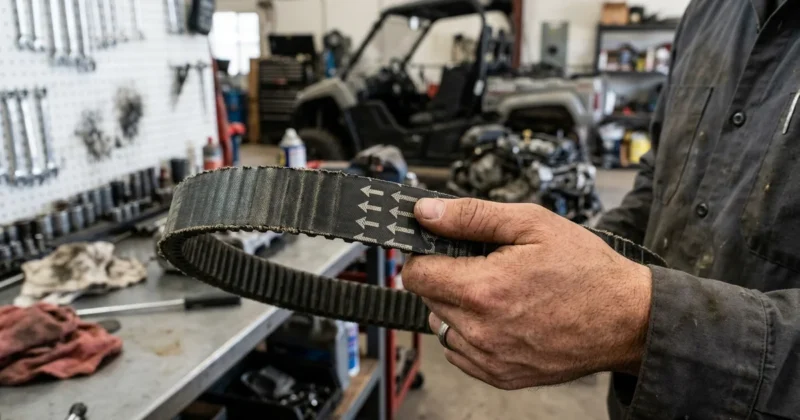
    New belts don’t give a damn about direction, but used ones sure do. Directional arrows on some belts are just a reminder to put it back on the same way if you ever take it off. To prolong your belt’s life, it’s wise to always run it in the same direction.

    If you’re shopping for a replacement, this is the belt we point people to for RZR CVTs.

    Our Pick

    Hunterworks CVT Drive Belt for 2014-2023 Polaris RZR XP 1000 (All Models) XP4, HL, Trail, Sport, Ultimate, Premium

    Hunterworks CVT Drive Belt for 2014-2023 Polaris RZR XP 1000 (All Models) XP4, HL, Trail, Sport, Ultimate, Premium

    • Fits: 2014-2023 Polaris RZR XP 1000 (All Models) Does NOT Fit 2024. 2024 has new clutch set up (Part Number HW
    • Engineered for Toughness and Strength: Hunterworks drive belts are meticulously engineered for improved belt g
    • Proprietary construction: With the latest and greatest manufacturing process out there, we ensure Hunterworks

    Check current price on Amazon

  • Are Polaris RZR belts directional?

    Are Polaris RZR belts directional?

    As an Amazon Associate we earn from qualifying purchases. This post contains affiliate links, and we may earn a commission at no extra cost to you.

    No. Polaris RZR belts aren’t directional, meaning a new belt will work correctly no matter which way you install it. There’s no arrow, no “this side up,” no wrong way to put a fresh belt in.

    So why do people ask?

    Because the advice you’ll hear from most mechanics and belt makers is to still install it consistently, label facing you, and if you ever pull the same belt back out, put it back in the same orientation it came out in. That’s not because the belt only works one way. It’s because a belt that’s already run for a few hundred miles has a wear pattern baked into it. Keep it running the same direction and you’re not fighting that wear. Flip a used belt around and you can shorten what’s left of its life.

    The short version

    New belt: install it either way, it’s not directional. Used belt you’re reinstalling: put it back exactly how it came out. That’s the whole rule.

    Shopping for a replacement

    If you’re at the point of asking this question because you’re about to swap belts, check our Best Polaris RZR Belt guide before you buy. And if you’re not sure your current belt is even worth reinstalling, read driving on a worn RZR belt first.

    If you’re shopping for a replacement, this is the belt we point people to for RZR CVTs.

    Our Pick

    Hunterworks CVT Drive Belt for 2014-2023 Polaris RZR XP 1000 (All Models) XP4, HL, Trail, Sport, Ultimate, Premium

    Hunterworks CVT Drive Belt for 2014-2023 Polaris RZR XP 1000 (All Models) XP4, HL, Trail, Sport, Ultimate, Premium

    • Fits: 2014-2023 Polaris RZR XP 1000 (All Models) Does NOT Fit 2024. 2024 has new clutch set up (Part Number HW
    • Engineered for Toughness and Strength: Hunterworks drive belts are meticulously engineered for improved belt g
    • Proprietary construction: With the latest and greatest manufacturing process out there, we ensure Hunterworks

    Check current price on Amazon

  • The Best RZR 1000 Drive Belt For Durability and Performance

    The Best RZR 1000 Drive Belt For Durability and Performance

    As an Amazon Associate we earn from qualifying purchases. This post contains affiliate links, and we may earn a commission at no extra cost to you.

    As an avid off-roader, I’ve faced my fair share of mechanical challenges, but none as persistent as finding the right belt for my Polaris RZR 1000. I always want the strongest longest lasting belt.  After numerous rides and a few disappointing breaks, I start a quest to find the best belt that could withstand the rigors of the trail and the fury of the turbo.

    OEM Polaris: The Original Standard

    Initially, I stuck with OEM Polaris belts, believing that sticking to the original equipment manufacturer was the safest bet. However, I soon realized that while OEM belts are reliable, they might not always offer the best performance for specific conditions like heavy-duty trails or turbo-charged adventures.

    Trail Riding: Putting Belts to the Ultimate Test

    Trail riding is where I put these belts to the test. The varied terrain, from rocky paths to sandy stretches, means the belt must be useful. It’s here that I found the Hunterworks belts to be the strongest belts, with their quality rubber compound and better heat resistance.

    Turbo: When the Heat is On

    Our Pick

    Hunterworks CVT Drive Belt for 2014-2023 Polaris RZR XP 1000 (All Models) XP4, HL, Trail, Sport, Ultimate, Premium

    Hunterworks CVT Drive Belt for 2014-2023 Polaris RZR XP 1000 (All Models) XP4, HL, Trail, Sport, Ultimate, Premium

    • Fits: 2014-2023 Polaris RZR XP 1000 (All Models) Does NOT Fit 2024. 2024 has new clutch set up (Part Number HW
    • Engineered for Toughness and Strength: Hunterworks drive belts are meticulously engineered for improved belt g
    • Proprietary construction: With the latest and greatest manufacturing process out there, we ensure Hunterworks
    Check current price on Amazon

    Heavy Duty: The Name of the Game

    Over the years, I’ve learned that the right belt for your RZR isn’t just about the brand or the price; it’s about the materials, the design, the manufacturing quality, and flexibility. The belt available for your RZR 1000 needs to be a perfect match for your riding style and your machine’s demands and that is more important than just asking what you can afford.

    Whether you’re gliding over dunes in your RZR 900 or tackling tough terrain in your General XP 1000, the belt you choose is crucial. It’s not just a part of your vehicle; it’s a part of your adventure, a silent promise that your ride will be smooth, your power transfer maximum, and your experiences unforgettable.

    So, when you’re ready to purchase the belt available for your RZR or any other model, remember to consider not just the cost, but the quality, the technology, and the reputation. Choose a belt that’s been through the toughest tests and come out on top, a belt that’s not just a replacement but an upgrade.

    Polaris RZR 1000 Clutching

    The Polaris RZR 1000 isn’t just any off-road vehicle; it’s a powerhouse that demands high-quality components to match its performance. Hunterworks has been testing and developing RZR clutches for decades.  Working to increase grip and maximum power transfer, these belts are designed and manufactured, and built to outlast and outperform.  Hunterworks manufactures both secondary and primary clutch kits with proper break in and maintenance their belts are built to outlast.

    Best Belt: Not Just About Lasting Longer

    In my search for the best belt, I discovered that longevity is just one piece of the puzzle. The ideal belt for the RZR 1000 needs to handle high horsepower tensile load requirements without a hitch. It’s not just about lasting longer; it’s about delivering consistent performance ride after ride.

    Hunterworks Rzr Belt UTV Gear, Tips & Tricks

    Hunterworks RZR 1000 Belt

    • Made in the USA
    • Engineered for toughness and strength
    • Proprietary construction
    • Fits: 2014-2023 Polaris RZR XP 1000 & XP 4 (Highlifter too)
    • 20 Years of Clutching Experience
  • Determining the Direction of a RZR Drive Belt

    Determining the Direction of a RZR Drive Belt

    As an Amazon Associate we earn from qualifying purchases. This post contains affiliate links, and we may earn a commission at no extra cost to you.

    Polaris RZR belts aren’t directional in the sense that they’ll only work installed one way. But once a belt has been running in your CVT for a while, it’s developed a wear pattern that matches the direction it’s been spinning. Flip it around during a reinstall and you’re running the belt backward against its own wear, which shortens its life. Here’s how to actually check.

    Check the label first

    Most RZR belts have lettering or a part number printed on one face. Note which way that text faces before you pull the belt. When you reinstall it (same belt, not a new one), put it back with the label facing the same direction it was in originally. That’s the simplest way to guarantee you’re not reversing a belt that’s already broken in.

    Look at the wear pattern

    If you’ve lost track of orientation, check the edges of the belt. A belt that’s been running a while develops slightly angled wear on the cogs from the direction of rotation. Run your thumb along the edge. If one side feels more rounded or polished than the other, that’s your worn face, and it should sit the same way it was sitting before.

    When it actually matters

    This only matters for a belt you’re reinstalling, not a brand new one. A fresh belt has no wear pattern yet, so orientation is a non-issue, install it either way. It’s specifically the removed-and-reinstalled case (pulling a belt to inspect the clutch, then putting the same one back in) where flipping it can introduce uneven wear faster than if you’d left it alone.

    If you’re not sure, replace it

    If you’ve already lost track of which way a used belt was running, don’t guess. A belt that’s due for inspection is usually close to due for replacement anyway. Check our Best Polaris RZR Belt guide for a fresh one, and see our notes on driving on a worn belt if you’re trying to decide whether yours still has life left.

    If you’re shopping for a replacement, this is the belt we point people to for RZR CVTs.

    Our Pick

    Hunterworks CVT Drive Belt for 2014-2023 Polaris RZR XP 1000 (All Models) XP4, HL, Trail, Sport, Ultimate, Premium

    Hunterworks CVT Drive Belt for 2014-2023 Polaris RZR XP 1000 (All Models) XP4, HL, Trail, Sport, Ultimate, Premium

    • Fits: 2014-2023 Polaris RZR XP 1000 (All Models) Does NOT Fit 2024. 2024 has new clutch set up (Part Number HW
    • Engineered for Toughness and Strength: Hunterworks drive belts are meticulously engineered for improved belt g
    • Proprietary construction: With the latest and greatest manufacturing process out there, we ensure Hunterworks
    Check current price on Amazon

  • Driving on a Worn RZR Belt

    Driving on a Worn RZR Belt

    As an Amazon Associate we earn from qualifying purchases. This post contains affiliate links, and we may earn a commission at no extra cost to you.

    You can drive on a worn Polaris RZR belt right up until you can’t. The belt doesn’t fail gradually and give you a warning window. It runs fine, runs fine, runs fine, then lets go, usually at the worst possible spot on the trail. Whether it’s smart to keep driving on one depends on how worn it actually is, so here’s what to check.

    Signs your belt is past due

    A few things show up before a full failure. Squealing or chirping on acceleration, especially from a cold start. A burning rubber smell after hard use. Visible glazing (a shiny, hardened look on the belt’s sides) or cracking across the ribs. Noticeably less power getting to the wheels, like the engine’s revving higher than it should for the speed you’re going. Any one of these on its own is worth a look. Two or more together means don’t wait.

    What actually happens if it snaps

    You lose drive entirely. Not reduced power, no power. If it happens at speed on a trail, you’re coasting to a stop wherever momentum takes you, which is fine on flat ground and a real problem on a hill climb or side-slope. It’s not usually dangerous, but it is a walk back to the truck or a call for a tow, and a snapped belt can occasionally take some clutch hardware with it on the way out, turning a cheap fix into an expensive one.

    Our take

    If you’re already asking whether you can keep driving on it, you’ve probably already noticed one of the warning signs above. Trust that instinct. A belt costs a lot less than a tow truck, and a lot less than the clutch damage a belt failure can sometimes cause. Replace it before your next real ride, not after it strands you on one.

    Ready to swap it out? Check our Best Polaris RZR Belt guide for a solid replacement, and see replacing your RZR drive belt for the actual swap. If you already know your belt isn’t directional and you’re just reinstalling one, we’ve got that covered too in are Polaris RZR belts directional.

    If you’re shopping for a replacement, this is the belt we point people to for RZR CVTs.

    Our Pick

    Hunterworks CVT Drive Belt for 2014-2023 Polaris RZR XP 1000 (All Models) XP4, HL, Trail, Sport, Ultimate, Premium

    Hunterworks CVT Drive Belt for 2014-2023 Polaris RZR XP 1000 (All Models) XP4, HL, Trail, Sport, Ultimate, Premium

    • Fits: 2014-2023 Polaris RZR XP 1000 (All Models) Does NOT Fit 2024. 2024 has new clutch set up (Part Number HW
    • Engineered for Toughness and Strength: Hunterworks drive belts are meticulously engineered for improved belt g
    • Proprietary construction: With the latest and greatest manufacturing process out there, we ensure Hunterworks
    Check current price on Amazon

  • How I Break-in a New RZR Drive Belt

    How I Break-in a New RZR Drive Belt

    As an Amazon Associate we earn from qualifying purchases. This post contains affiliate links, and we may earn a commission at no extra cost to you.

    Breaking in a new drive belt for your Polaris RZR side by side utv is crucial if you want to get the best performance and longest life out of it. You can also break in any spare belts you have lying around. Trust me, you don’t want to skip this step or you’ll be sorry later.

    Buy the right belt with our Polaris UTV drive belt buying guide

    Now, breaking in a belt isn’t just about putting in a set number of miles and avoiding high engine RPMs. It’s about flexing the belt in the correct direction so that it wears and mates to the proper angle of the sheaves and friction. This wear needs to happen under low load and temperature because belts run hotter when first installed and are more sensitive to high loads until they break in.

    So, to break in a belt properly, you need to use low gear (if available) while varying speeds and avoiding wide open throttle for 5 to 10 miles. If no low gear is available, vary at moderate speeds while avoiding wide open throttle for 50 miles. The goal of break-in is to achieve a high number of flex cycles under low load while maintaining low temperatures.

    Now, even with a proper break-in, it’s still possible to damage a belt with excessive heat or spin-burn. Spin-burn or hourglassing is a result of not using low gear when tires are stuck in mud or sand or when loading or unloading your vehicle. An engine misfire often indicates belt slippage because of spin-burn. So, inspect your belt for hourglassing, jerky or hesitant drive-away or acceleration, loose cords, missing cogs, cracks, abrasions, thin spots or excessive wear. Compare belt measurements with a new drive belt, and replace if necessary.

    If you do need to replace your belt, We recommend the Polaris OEM UTV drive belts, which are designed and tested specifically for their off-road vehicles. Always clean any debris from the PVT intake and outlet ducts and from the clutch, clutch covers, and engine compartments if a belt fails. Verify the clutch rollers are tight and rolling smoothly and the weights are not notched or loose. Ensure the seal on the clutch cover is in good shape, not twisted or torn, and installed correctly.

    And finally, if you accidentally ingest water into the PVT system, use the following instructions to dry it out before operating:

    1. Position the vehicle on a level surface. Place the transmission in PARK.
    2. Remove the drain plug from the outer clutch cover. Allow the water to drain completely. Reinstall the drain plug.
    3. Start the engine.
    4. Apply varying throttle for 10 to 15 seconds (we suggest 5-6,000 RPM) to expel the moisture and air-dry the belt and clutches. Do not hold the throttle wide open for more than 5 seconds.
    5. Allow the engine RPM to settle to idle speed and then shift the transmission to low range.
    6. Test for belt slippage. If the belt slips, repeat the process. Your vehicle requires service as soon as possible. See your authorized Polaris Dealer.

    So, there you have it. Take care of your belt and it’ll take care of you. Don’t be a fool and skip the break-in or you’ll be singing the blues later on.

    The Sounds of a Failing Drive Belt

    RZR belt breakage is a problem that can have several culprits. It could be due to …(read more)

    Top Reasons Drive Belts Break

    RZR belt breakage can be attributed to several reasons, including …(read more)

    If you’re shopping for a replacement, this is the belt we point people to for RZR CVTs.

    Our Pick

    Hunterworks CVT Drive Belt for 2014-2023 Polaris RZR XP 1000 (All Models) XP4, HL, Trail, Sport, Ultimate, Premium

    Hunterworks CVT Drive Belt for 2014-2023 Polaris RZR XP 1000 (All Models) XP4, HL, Trail, Sport, Ultimate, Premium

    • Fits: 2014-2023 Polaris RZR XP 1000 (All Models) Does NOT Fit 2024. 2024 has new clutch set up (Part Number HW
    • Engineered for Toughness and Strength: Hunterworks drive belts are meticulously engineered for improved belt g
    • Proprietary construction: With the latest and greatest manufacturing process out there, we ensure Hunterworks

    Check current price on Amazon

  • Determine if Your Polaris RZR Drive Belt is Worn

    Determine if Your Polaris RZR Drive Belt is Worn

    As an Amazon Associate we earn from qualifying purchases. This post contains affiliate links, and we may earn a commission at no extra cost to you.

    When it comes to conquering the wild, there’s no beast quite like the Polaris RZR. These bad boys are built to last, with enough speed and grit to take on any terrain that dares to stand in their way. But, like any warrior, even the toughest machines can suffer from the wounds of battle. One of the most common injuries that RZR riders face is a worn-out drive belt. In this here piece, we’ll explore the ways you can tell if your trusty steed’s belt is worn down, and what you can do to make sure it’s always ready for the next adventure.

    Buy the right belt with our buying guide on finding your Polaris RZR belt

    What is a Polaris RZR CVT belt?

    Listen up. You have gotta know what that drive belt does and how it works. They call it the CVT belt, and it’s what transfers power from the engine to them wheels. It’s like the backbone of the clutch system, along with the primary and secondary clutches. When that engine revs up, the primary clutch engages the drive belt, which in turn spins the secondary clutch and bam! You’re off, flying down the road. But, if that drive belt fails or wears out, well, you might as well get ready to walk.

    So, how can you tell if your RZR CVT belt is worn? 

    1. You step on the gas, but your RZR ain’t going nowhere fast. It used to fly like a bat out of hell, but now it’s all jerky and jumpy. That’s the telltale sign that your belt is worn, slipping, or both.
    2. There’s a burning smell in the air, like someone’s set fire to your clutch system. And who knows, maybe they have. If your belt’s slipping, it’s generating heat and friction, and that’s never a good thing.
    3. Belt dust and debris scattered around the clutch area. It’s like your RZR’s shedding, leaving a trail of its own decay behind. That’s the mark of a belt that’s seen better days.
    4. As the belt heats up, it can start to glass on the edge. You won’t see it on the teeth, but the belt’s edges will shine like glass. It’s a clear sign that you need to give that belt a break or get a new one before you end up stranded on the side of the road.

    Drive Belt Maintenence

    Listen up, folks, if you want that RZR belt to stay in tip-top shape, you gotta keep up with the maintenance and inspections. And here’s a little tip from yours truly: keep that belt cool. Heat can be a real killer for these things, so you gotta make sure there’s enough airflow around the clutch system. One way to do that is to slap on a belt cooling kit or make sure the clutch cover’s got enough ventilation. Trust me, it’s worth it to avoid the headache of a busted belt.

    Prevent Belt Failure With High-Quality Aftermarket Belts

    When it’s time to swap out your RZR belt, don’t skimp on quality. You’ll want a belt that’s tough as nails and the perfect size for your ride. Sure, there are plenty of belts on the market that’ll fit your RZR, but don’t settle for just any old belt. Invest in one that’s tailored to your machine like the original Polaris RZR belts. And when it comes time to install the new belt, make sure you follow the manufacturer’s instructions to the letter. While you’re at it, take a good hard look at the primary and secondary clutches to make sure they’re not showing any signs of wear and tear. You don’t want to have to go through this process again anytime soon.

    Final Thoughts

    And so, my friends, a worn-out RZR belt is the kind of headache that can make even the toughest side-by-side owner cringe. But fear not, for with a little tender loving care, you can keep that belt humming like a well-oiled machine and avoid any sudden breakdowns out on the dusty trail. Keep a watchful eye out for the telltale signs of wear and tear, make sure to keep things cool under the hood, and when it’s time to replace that old belt, be sure to choose a top-of-the-line replacement that’s up to the task. Armed with these tips, you’ll be free to take on any terrain in your trusty Polaris RZR with confidence and swagger.

    Replace a Polaris Drive Belt Yourself

    Yes, you can it ain’t rocket surgery. You can swap out a Polaris drive belt yourself…(read more)

    How Long do Polaris RZR drive belts last?

    When it comes to the Polaris RZR, one question that always seems to be on people’s minds is just how long that drive belt can hold out. Will it last you for …(read more)

    If you’re shopping for a replacement, this is the belt we point people to for RZR CVTs.

    Our Pick

    Hunterworks CVT Drive Belt for 2014-2023 Polaris RZR XP 1000 (All Models) XP4, HL, Trail, Sport, Ultimate, Premium

    Hunterworks CVT Drive Belt for 2014-2023 Polaris RZR XP 1000 (All Models) XP4, HL, Trail, Sport, Ultimate, Premium

    • Fits: 2014-2023 Polaris RZR XP 1000 (All Models) Does NOT Fit 2024. 2024 has new clutch set up (Part Number HW
    • Engineered for Toughness and Strength: Hunterworks drive belts are meticulously engineered for improved belt g
    • Proprietary construction: With the latest and greatest manufacturing process out there, we ensure Hunterworks

    Check current price on Amazon

  • The Lifespan of RZR Drive Belts

    The Lifespan of RZR Drive Belts

    As an Amazon Associate we earn from qualifying purchases. This post contains affiliate links, and we may earn a commission at no extra cost to you.

    Polaris may tell you to swap out your RZR belt every 500 miles, but I’m here to tell you that with a bit of careful driving, you can stretch that bad boy to 1500-2000 miles. That’s right, I’m talking about driving with finesse, taking those turns slow and steady, and not gunning it like some kind of maniac. So next time you’re out there on the trail, remember to treat that belt with the respect it deserves, and you’ll be rewarded with many more miles of adventure

    When it comes to the Polaris RZR, one question that always seems to be on people’s minds is just how long that drive belt can hold out. Will it last you for hundreds of miles of trail riding, or is it more likely to give out on you just when you’re starting to hit your stride?

    Well, my friends, the answer is a bit more complicated than a simple number. You see, there are a lot of factors that can impact the lifespan of your RZR belt, from the kind of terrain you’re traversing to how much horsepower your vehicle is packing.

    Buy the right belt with our buying guide on finding your Polaris RZR belt

    Does your RZR drive belt temperature matter?

    The primary thing to watch out for is too high of a belt temperature.  The high temperatures can slightly melt the belt sides and cause what’s called glassing.  You will see a slightly shiny area on the side of your belt.

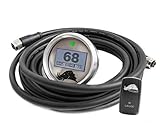
    You can use a belt temperature sensor to monitor your belt and prevent overheating

    Rzr Belt temperature sensor UTV Gear, Tips & Tricks

    Our Pick

    Razorback Technology Universal Waterproof Infrared Sensor 3.1 Dimmable Belt Temperature Gauge (15 Foot Harness) Fits Polaris RZR/Can-Am Maverick/Arctic Cat Wildcat (Silver Bezel)

    Razorback Technology Universal Waterproof Infrared Sensor 3.1 Dimmable Belt Temperature Gauge (15 Foot Harness) Fits Polaris RZR/Can-Am Maverick/Arctic Cat Wildcat (Silver Bezel)

    • The 3.1 Dimmable Edition Gauge is the latest & greatest version of our patented, thermally compensated, infrar
    • Our added rocker switch now allows you to dim both the LED light as well as your LCD screen. Cycle between 5 l
    • Our thermally compensated infrared sensors are medical grade, and are manufactured to withstand the harsh envi

    Check current price on Amazon

    Understanding the Role of the CVT Belt in Your Polaris RZR

    The CVT belt, often referred to as the drive belt, is the unsung hero of your Polaris RZR. It transfers power from the engine to the wheels, ensuring smooth and efficient performance. However, like any other component, it requires regular maintenance and care to function optimally.

    The Importance of Regular Belt Maintenance

    Regular belt maintenance is not just about ensuring your Polaris RZR runs smoothly. It’s about preventing unexpected breakdowns during your off-road adventures. A well-maintained CVT belt can withstand the rigors of rock crawling, dune bashing, and other extreme off-road conditions.

    Preventing Belt Failure: The Key to Longevity

    Belt failure is a common issue among Polaris RZR owners. However, it can be prevented with regular inspections, proper installation, and understanding the signs of wear and tear. By keeping an eye on the belt temperature and changing the belt at the right time, you can prevent catastrophic belt failure.

    Is Polaris RZR clutch alignment important to belt life?

    You bet it is, clutch alignment should be maintained although it is fine coming from the factory.  If you are constantly experiencing belt tears you should check the alignment between the primary and secondary clutch and make sure your belt is riding in the center of the two clutches.

    It’s important to keep in mind, too, that regular inspection and maintenance can go a long way toward extending the lifespan of your drive belt. Keep an eye out for any signs of wear and tear, such as fraying or cracking, and make sure to address any issues promptly.

    In the end, the longevity of your Polaris RZR belt will depend on a variety of factors, some within your control and others not so much. But with careful attention and a bit of luck, you should be able to get plenty of miles out of your trusty drive belt, whether you’re racing through the wilds or just puttering around the farm.

    Making Your Belt Last Longer: Tips and Tricks

    Making your belt last longer is not rocket science. It’s about understanding your vehicle, adapting your driving style, and following a set maintenance routine. Here are some tips to help you extend the life of your CVT belt:

    1. Proper Break-In: A new drive belt requires a proper break-in period. This involves achieving a high number of flex cycles under low load while maintaining low temperatures. This process allows the belt to wear and mate to the proper angle of the sheaves, ensuring optimal performance.
    2. Avoid High Speeds: High speeds can lead to excessive heat, causing the belt to wear out faster. During the break-in period, avoid wide open throttle and high speeds to ensure the longevity of your belt.
    3. Use Low Gear: When tackling steep inclines or heavy loads, use low gear. This reduces the strain on the belt and prevents overheating.
    4. Regular Inspection: Regularly inspect your belt for signs of wear and tear. Look for cracks, fraying, or any signs of damage. If you notice any issues, replace the belt immediately.
    5. Keep It Clean: Dust and debris can cause premature wear and tear on your belt. Regularly clean the belt and the clutch housing to keep them in optimal condition.
    6. Monitor Belt Temperature: Overheating is a common cause of belt failure. Consider installing a belt temperature sensor to monitor the belt’s temperature and prevent overheating.

    By following these tips, you can ensure that your CVT belt will last a set number of miles, providing you with reliable performance during your off-road adventures.

    Warning Signs of a Worn Drive Belt

    One of the most common injuries that RZR riders face is a worn-out drive belt…(read more)

    Top Reasons Drive Belts Break

    RZR belt breakage can be attributed to several reasons, including …(read more)

  • Replacing Your RZR Drive Belt

    Replacing Your RZR Drive Belt

    As an Amazon Associate we earn from qualifying purchases. This post contains affiliate links, and we may earn a commission at no extra cost to you.

    Yes, you can it ain’t rocket surgery. You can swap out a Polaris drive belt yourself. No need to fork over your hard-earned cash to a mechanic. Just grab your tools and get to work.

    Now, before you dive in, you gotta know what you’re looking for. How do you know when it’s time to replace that belt? Well, first off, keep an eye on the wear and tear. If it’s starting to crack or fray or has glassing it’s time to swap it out.

    Buy the right belt with our buying guide on finding your Polaris RZR belt

    How To Replace The Drive Belt On Your Polaris RZR

    Materials:

    • Safety glasses
    • Rubber gloves
    • Rags
    • Maroon scotch brite
    • 10 millimeter socket
    • Belt removal tool
    • Tusk flex drive clutch cover removal tool (with 5/16 inch socket)
    • Polaris CVT belt

    Instructions:

    1. Use the Tusk flex drive clutch cover removal tool to get into hard-to-reach places. If you don’t have this tool, use a 5/16 inch socket.
    2. Remove the bolt from the bracket to get the air duct out of the way.
    3. Take out all the screws in the clutch cover and remove it.
    4. Use the drive belt removal tool to separate the clutch sheaves and loosen the tension on the belt.
    5. Grab the belt from the bottom and work it off the driven clutch.
    6. Rotate the clutch to help pop the belt off and move it around the primary clutch.
    7. Install the new belt the same way the old one was installed.
    8. Inspect the old belt by comparing it to a new belt. Look for uneven wear, frayed cords, visible damage, glazing, or hourglassing.
    9. Clean the clutches by removing any pieces or cords stuck on them.
    10. Use compressed air to clean off the dust on the clutches, wear a dust mask, and do this outside.
    11. Inspect the clutch sheaves for damage or glazing by running your fingernail across them. If you feel any deep grooves, replace the clutch. If you see a shiny or dark surface on the sheaves, use scotch brite to clean them up.
    12. Wipe everything down with a rag.

    Note: scuff up the clutch sheaves to avoid running a new belt on a glazed surface. Belt lifespan depends on how the machine is driven, so avoid high heat and install a belt temperature sensor if needed.

    Conclusion

    So there you have it, amigo. Don’t be afraid to take on this drive belt inspection and replacement yourself. You’ll save some cash and feel like a real grease monkey in the process. And when it comes to Polaris off-road vehicles like the RZR, this drive belt replacement process is pretty much the same.

    The Top Reasons Your Drive Belt is Worn Out

    One of the most common injuries that RZR riders face is a worn-out drive belt…(read more)

    The Lifespan of UTV Drive Belts

    When it comes to the Polaris RZR, one question that always seems to be on people’s minds is just how long that drive belt can hold out. Will it last you for hundreds of …(read more)

    If you’re shopping for a replacement, this is the belt we point people to for RZR CVTs.

    Our Pick

    Hunterworks CVT Drive Belt for 2014-2023 Polaris RZR XP 1000 (All Models) XP4, HL, Trail, Sport, Ultimate, Premium

    Hunterworks CVT Drive Belt for 2014-2023 Polaris RZR XP 1000 (All Models) XP4, HL, Trail, Sport, Ultimate, Premium

    • Fits: 2014-2023 Polaris RZR XP 1000 (All Models) Does NOT Fit 2024. 2024 has new clutch set up (Part Number HW
    • Engineered for Toughness and Strength: Hunterworks drive belts are meticulously engineered for improved belt g
    • Proprietary construction: With the latest and greatest manufacturing process out there, we ensure Hunterworks

    Check current price on Amazon