Category: Tips

  • Are Side by Sides Worth It?

    Are Side by Sides Worth It?

    As someone who’s spent countless hours behind the wheel of various UTVs, I’ve had the pleasure of experiencing the thrill, versatility, and practicality that these machines offer. Whether it’s tearing through the dunes, hauling heavy loads on the farm, or enjoying a family adventure on rugged trails, side-by-sides have become an integral part of my outdoor life. In this article, I’ll share my insights and answer the burning question: “Are side-by-sides worth it?” Let’s dive in!

    A Personal Perspective

    UTV, or Utility Task Vehicle, is more than just a recreational vehicle. It’s a workhorse, a racer, a family entertainer, and a reliable companion on the toughest terrain. My first encounter with a UTV was with a Polaris RZR, and it was love at first ride. The combination of speed and power, coupled with easy handling, made it an unforgettable experience. The sense of community among UTV owners is unparalleled. The shared passion for off-roading and trail adventures creates a bond that enhances the overall UTV experience.

    Polaris RZR: A Side-by-Side Turbocharged Adventure

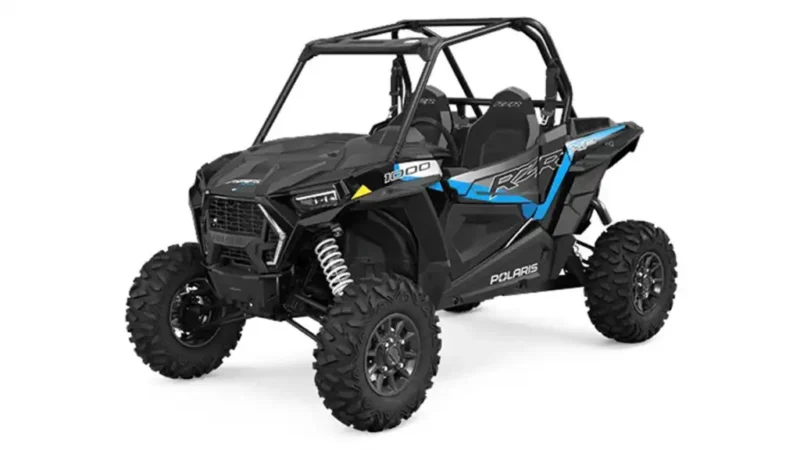
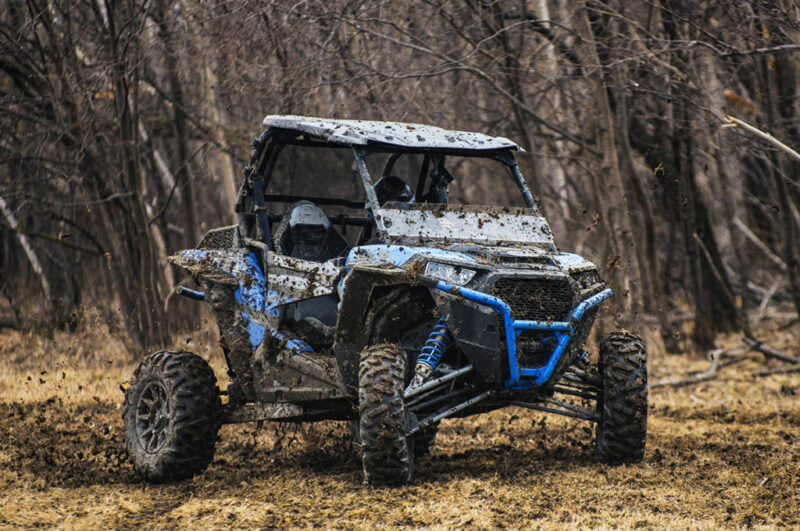
    The Polaris RZR with its turbo engine is a beast on the trail. With over 100 horsepower, it boasts a suspension travel that can handle the roughest bumps and jumps. Ground clearance is never an issue, and the thrill of a turbocharged ride is something that still gives me goosebumps. Whether it’s rock crawling or dune racing, the RZR XP models available have never let me down.

    Buying a UTV Is It Worth the Investment?

    Reasons to buy side-by-sides: More Than Just Off-Roading

    When you decide to buy a UTV, you’re investing in a machine that’s versatile and adaptable. Here are some reasons why purchasing a side by side is worth every penny:

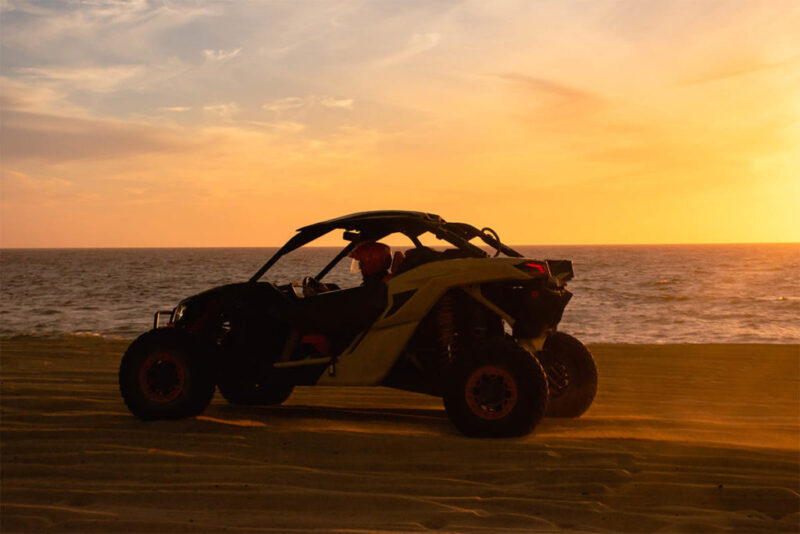
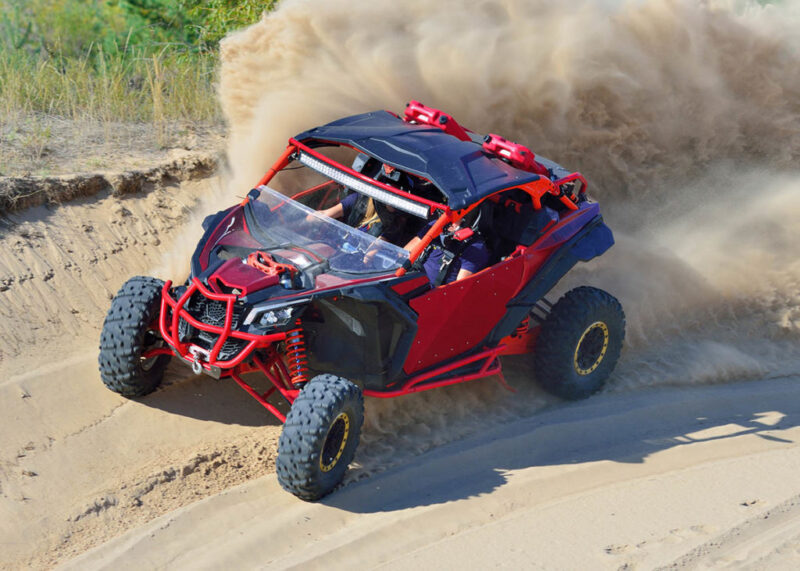
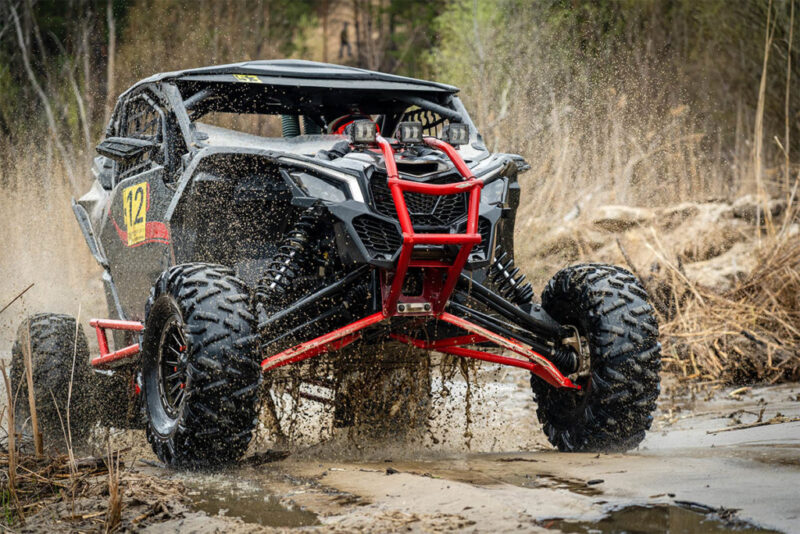
    1. Off-Roading Fun: From trail riding to mudding, UTVs offer an exhilarating off-road experience. Models like the Can-Am Maverick are especially useful for hard riding on sand dunes and rough terrain.
    2. Workhorse Capabilities: Need to tow or haul? UTVs like the Kawasaki Mule come with a dump bed and towing capacity of over 1000 lbs. They’re the perfect workhorse for farms and construction sites.
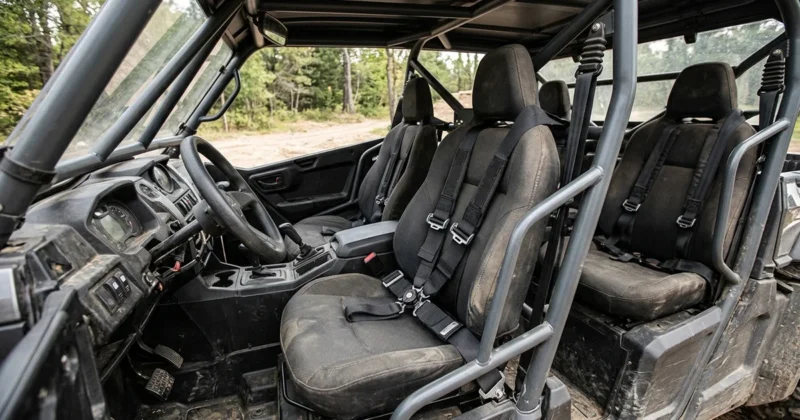
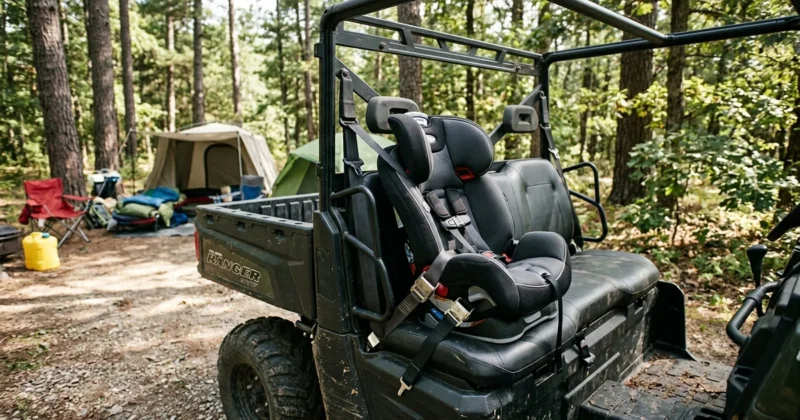
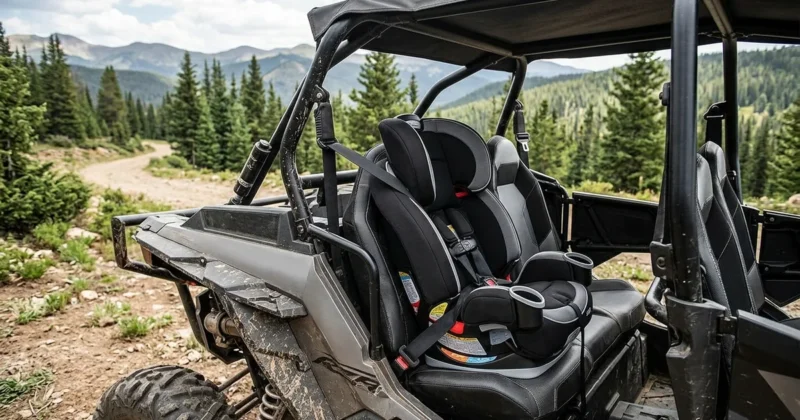
    3. Family Adventures: With bench seats that can accommodate up to six passengers, UTVs can even have booster seats to make family outings a blast. The roll cage and safety features ensure a secure ride.
    4. Customization Options: The aftermarket possibilities are endless. From bigger tires to sprayers for farming, you can tailor your UTV to your specific needs and wants.

    Getting the Best Deal Possible

    Buying a used UTV can be a great way to get the best bang for your buck. Models like the Kawasaki Mule or John Deere offer reliability and performance at a fraction of the cost of new models. Just make sure to check the payload, torque, and other specifications to ensure it meets your requirements.

    Should You Buy a UTV or a ATV?

    While ATVs (All-Terrain Vehicles) are great for individual riders, side-by-sides offer more seating, better stability, and often more power. The UTV engine, especially in models like the Polaris RZR Turbo, provides more torque and horsepower, making it easier to navigate challenging terrains.

    ATV vs UTV: Which One to Buy?

    If you’re looking for a recreational vehicle that can also serve as a utility vehicle, then a UTV is worth the investment. With models like the Can-Am Maverick, boasting over 1000cc and 100 horsepower, you’ll most likely find a machine that’s perfect for both fun and work.

    UTVs – Off-roading for the whole family

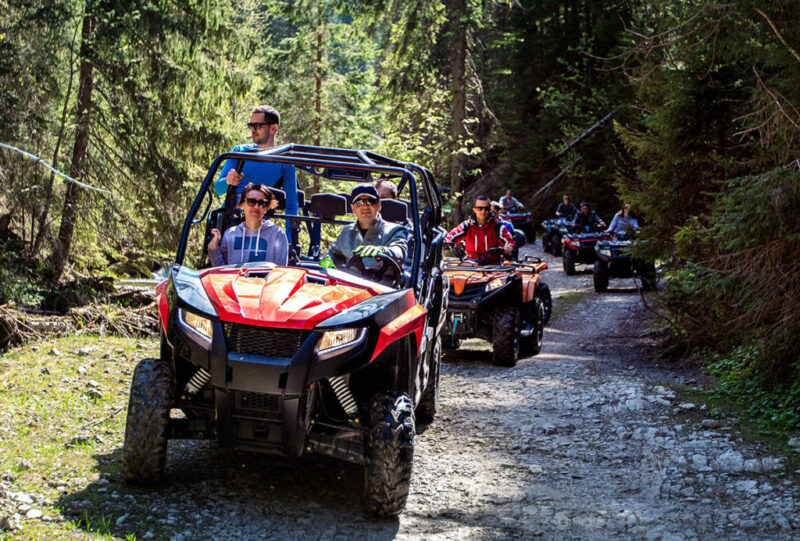
    Side-by-side vehicles, have become the go-to choice for family off-roading adventures. Unlike traditional ATVs, UTVs offer multiple seating options, often accommodating up to six passengers, making them perfect for family outings. With robust safety features like roll cages and seat belts, parents can feel secure while introducing their children to the thrilling world of off-road exploration. Whether it’s a weekend getaway on rugged trails or a fun-filled day on the sand dunes, UTVs provide a unique way for families to bond and create lasting memories. Brands like Polaris and Can-Am offer models specifically designed with family comfort and enjoyment in mind, ensuring that off-roading for the family is not only exciting but also safe and accessible.

    Benefits of Side-By-Sides

    UTVs are becoming increasingly popular, so consumers must have their reasons for purchasing them, right? Here are some of the biggest side-by-side advantages!

    UTVs Are Fun

    Let’s be direct and point out the obvious; UTVs are fun. If you live in a state with plenty of access to UTV trails, then you can fly through the woods like you’ve never dreamed of without anyone around to bother you. That’s why they’re so popular with people of all ages!

    Also, unlike an ATV, you’ll only need one vehicle to share the fun! Side-by-sides allow you to bring your family members or friends along for your journeys, whatever they may be. Learn more about what side-by-sides can do!

    UTVs Are Practical

    The term “utility task vehicle” should tell you everything. They are constantly used by park rangers, groundskeepers, and thousands of other outdoor jobs for their practicality.

    If you live up north, in a remote area, or in a location with tough terrain, UTVs are extremely practical. That’s true whether you’re super outdoorsy, you have a large property, or you just want an alternate mode of transportation.

    UTVs are a common mode of transportation for families in northern New England, upstate New York, the upper midwest, through the Rocky Mountains, and all points west. People will head to the grocery store or nearby swimming destinations or simply get their mail at the end of their long driveways!

    They’re also great for hauling larger loads around your property. If you have a wood stove, garden, or anything that needs constant work outside, a UTV is a great way to lighten the load!

    Another common use is for plowing your driveway, which is much easier than snow blowing or shoveling. Adding a plow to your UTV in the winter can save a lot of time (or money) on clearing snow. This is another reason why they’re so popular up north!

    Status & Culture

    A lot of the time, we buy things for status. Well, a nice UTV will go a long way toward impressing your neighbors. It will make you the talk of the town, depending on where you live! Let’s not forget the great friends you are gonna meet on the trail and in the campgrounds. There is a fun culture that surrounds UTVs and have some beers with the gang around a fire is about as good as it gets.

    Adding to Your Adventures

    Do you love going camping? During all four seasons, a UTV will open doors for you to camp where you’ve never imagined before. UTVs allow access to the most remote locations that you can’t access by car or foot within a reasonable amount of time.

    Simply throw your camping gear in the back and drive wherever you want, whenever you want. This can also work for hiking remote mountains, reaching little-known swimming holes, or whatever excites you! If you’re outdoorsy, a UTV can open plenty of possibilities for you!

    Towing or Hauling

    Towing and hauling capabilities are much better on side-by-sides than on ATVs. You can even tow mini campers through the woods with the right models. UTVs are great for carrying cargo, and their durable frame doesn’t care what you decide to haul. 

    Durability

    UTVs have impressively solid frames that are difficult to scratch, let alone break. If you take good care of the engine and transmission, you won’t have to worry about the frame. Just remember to give it a wash after driving on road salt to prevent rust!

    Safety

    UTVs offer far more protection than ATVs, as they have a solid frame and windshield to protect passengers. It’s easy to flip over and fly off of an ATV, but UTVs typically have seatbelts, window nets, and other safety features to protect you and your family. In off-road conditions, this is especially important.

    If you do have a roll-over accident in your UTV, learn more about what to do. Don’t worry, you aren’t the first, and you won’t be the last!

    Downsides of Side-By-Sides

    No good things come without a cost. Here are some of the biggest side-by-side drawbacks.

    Price

    If you buy them used, you may save money upfront, but it’s a gamble. You have no idea how the previous owner treated their UTV. Unfortunately, nicer and newer UTVs may cost more than your car, especially with the rising demand for these vehicles. 

    Finding the model you want will also be a challenge, especially if you live up north. The most popular models are flying off of the shelves, and dealers are left with waiting lists for certain brands. However, if you find the one you want at a reasonable price, it can last for a long time with proper care!

    Insurance

    If you can’t afford the price of a UTV upfront, you’ll likely have to make payments. Unfortunately, that won’t be your only monthly expense, as you will need to pay for insurance. Depending on the model and year of your vehicle, your insurance and monthly payment could be quite similar to that of a new car.

    Also, foregoing your insurance is not always an option. Depending on your state, you may also be required by law to purchase insurance if you finance your vehicle.

    UTV insurance will cost around $100 a month on average. Do the math before purchasing and ensure that you can handle these monthly payments, as they can add up.  If there’s an emergency expense like a major repair, you don’t want to be broke when you have to pay for it.

    Maintenance

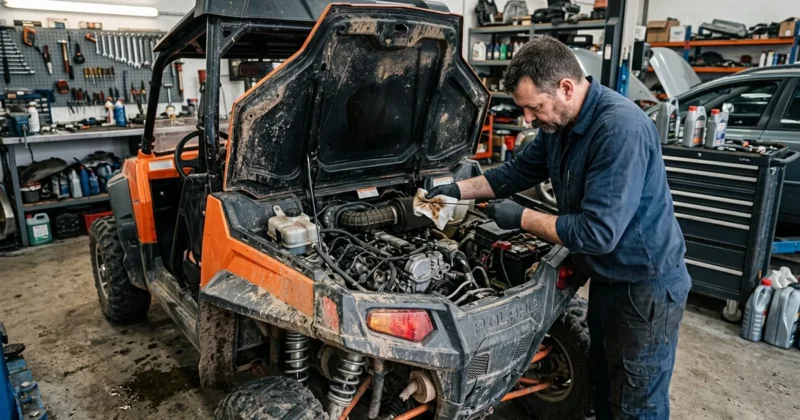
    Owning a UTV is much like owning a car, except they have more expensive shocks, and their parts can be harder to find. If you take care of your UTV, it will take care of you. That means regular oil changes, filter changes, and following the routine maintenance schedule in your manual.

    If you do that, you can run your UTV for as many miles as you would with a car, even if you’re driving in harsher conditions. A little care goes a long way.

    Fortunately, UTVs are built for off-roading conditions, so their parts tend to be far more stable than similar parts on a car. UTVs are also lighter than cars, which can help prevent long-term damage. Also, maintenance on a UTV is often easier than on a car, as the equipment (engine, suspension, etc.) is easier to access.

    Buying a popular brand will also help you find parts easier. Polaris, Honda, and other major UTV brands will have the cheapest and most accessible parts on average.

    Size Limits

    Some states, localities, and trail governing bodies will have a size or weight limit on vehicles that can use certain trails. For example, if you live in Maine, your vehicle cannot weigh more than 2,000 pounds or exceed 65 inches in width. Otherwise, you will be subject to a fine of $100 to $500 for your first offense.

    If you do your research and find a UTV that fits within your local weight limits, then this won’t be a problem. However, it’s important to learn these laws ahead of time, especially before purchasing your UTV.

    Most of these laws are to prevent cars or oversized UTVs from damaging the trails. In most cases, smaller side-by-sides will not exceed these weight limits. Check your state or local laws for more information!

    Are Side-By-Side UTVs Worth It?

    Yes side by sides are worth the money and we can tell you that UTVs are very practical, fun, safe, and long-lasting with proper care. Most owners would agree that they are worth the money!

    Stay up to date with our latest tips for your side-by-side, and check out how to balance your UTV tires for better performance and how to tell if your side by side has too many hours.


  • How much does a Polaris side by side weigh?

    How much does a Polaris side by side weigh?

    How much does a Polaris side by side weigh Unfortunately, side-by-side manufacturers don’t always do their best to make this information easily accessible. Some companies only report dry weight, which doesn’t give you all the information you need.  Looking at some of the most popular vehicles and their weights, dry, wet, curb, and gross weight We get to the bottom of the confusion. 

    What’s the difference between Dry, Wet, Target and Gross weight? 

    In UTV data sheets you are likely to come across Dry, Wet, Curb and Gross weight. Sounds complicated, but it’s actually simple. Keep in mind that no matter which weight you look at, they all refer to UTVs with factory settings. Upgrading parts and adding accessories will change the weight. dry weight

    What is UTV dry weight?

    Dry weight is the weight of the side by side without liquids or cargo, and is therefore “dry”. The UTV can’t be driven in that state, so its weight doesn’t help much. In reality, dry weight means nothing to riders. Never use the vehicle at dry weight. Only useful for those transporting new, unassembled vehicles. Unfortunately, some manufacturers only provide dry weights. 

    What is UTV Wet Weight & UTV Curb Weight?

    Wet weight and curb weight are synonymous. Those are the Polaris weights in drivable condition with all fluids and oils. One problem with wet weight and curb weight is that it may or may not include the weight of a full gas tank. Some machines weigh around an additional 60 pounds with a full tank of gas, so keep that in mind when looking for weight.

    How much does a Polaris side by side weigh?

    ModelEstimated Wet Weight
    Polaris General 10002655 lb
    Polaris RZR Pro XP2564 lb
    Polaris RZR XP Turbo2380 lb
    Polaris RZR XP 10002300 lb
    Polaris Ranger XP 10003698 lb


    THE WEIGHT OF POPULAR YOUTH UTV MODELS

    Model
    Estimated Wet Weight
    Polaris Ranger 150800 lb
    Polaris RZR 170532 lb
    Polaris ACE675 lb

  • Does Polaris still make the Ace? 

    Does Polaris still make the Ace? 

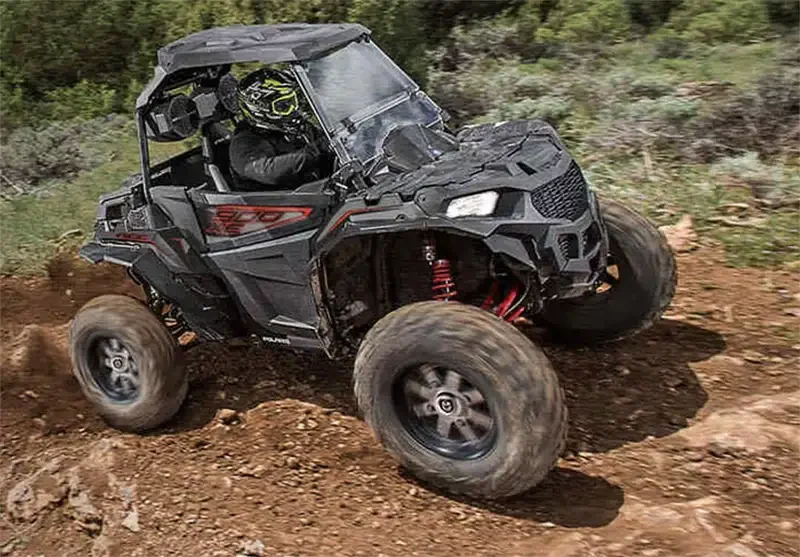
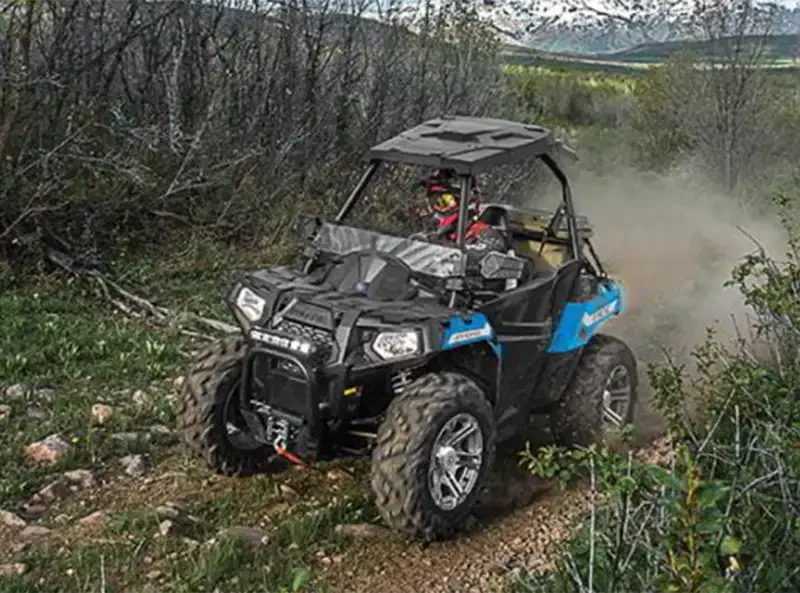
    Absolutely! The Polaris Ace is still in production and provides an exemplary single-seat off-road experience. Whether used for leisure or labor, the model variations of this UTV come complete with a host of features as well as accessories to make your outdoor trips even more enjoyable. The Ace is a smaller UTV so its best to know what do to do if you roll a utv.

    How long has Polaris made the Ace?

    Since its 2014 inception, the Polaris Ace UTV has been a treasured favorite among off-roading enthusiasts. Along with an array of impressive updates and improvements that have increased performance, safety and comfort for each journey taken – it’s no wonder why this UTV continues to be one of the most sought after models on the market!

    Is the Polaris Ace safe? 

    Without a doubt, the Polaris Ace is one of the safest vehicles on the market. It comes with an array of safety equipment, such as a protective roll cage, 4-point seat belts and a durable frame. Moreover, Polaris has gone beyond expectations to guarantee that this vehicle meets or exceeds industry standards for safe operation and dependability.

    Polaris Ace UTV Gear, Tips & Tricks

    How expensive is the Polaris Ace? 

    The Polaris Ace is available in a range of prices, depending on the model and options. The starting price for the base model is around $7,000, while top-of-the-line models can cost over $13,000.

    Where can I find accessories for the Polaris Ace?

    From winches to cargo boxes, windshields and beyond, the Polaris Ace provides a vast array of accessories that can be customized to meet your individual needs. There are a variety of accessories available for the Polaris Ace, including winches, cargo boxes, plows, windshields, and more.

  • What’s the Difference between an ATV and a UTV?

    What’s the Difference between an ATV and a UTV? UTVs are larger and more powerful than ATVs and are designed with a roll cage and with more storage space, and better suspension systems, while ATVs are typically for single riders and are more nimble and less expensive, better suited for tight trails and rough terrain.

    If you’re in the market for an off-road vehicle, you may be wondering whether a UTV or an ATV is right for you. Though both can offer excellent off-roading capabilities, each has its own advantages and drawbacks depending on your intended use. In this article, we’ll explore the key differences between UTVs and ATVs, as well as the pros and cons of each vehicle type. By the end, you should have a better idea of which one is best for your particular needs.

    Off-roading is an exciting way to explore the great outdoors, and there are many vehicles that can help you do so. Two of the most popular options are UTVs and ATVs, but what’s the difference between these two vehicles? In this article, we’ll explore the key differences between UTVs and ATVs to help you decide which is right for your needs.

    Differences between UTVs and ATVs

    Size and Capacity:

    One of the most significant differences between UTVs and ATVs is their size and capacity. ATVs are designed to be used by one person and are generally smaller than UTVs. They are ideal for recreational use, such as trail riding or racing. In contrast, UTVs are larger and have more seats, making them better suited for professional tasks such as farming or landscaping. UTVs can carry heavier loads and more passengers than ATVs, which makes them more versatile.

    Safety and Comfort:

    Another difference between UTVs and ATVs is the level of safety and comfort they provide. ATVs are typically more affordable than UTVs, but they lack some of the safety features and comforts found in UTVs. For example, UTVs are equipped with safety harnesses, roll cages, and doors, which provide better protection in case of an accident. UTVs also tend to have more comfortable seating arrangements and provide better protection from the elements.

    Passenger Capacity between ATVs and UTVs

    UTVs are sometimes referred to as “side-by-sides” because they have room for passengers to sit next to the driver. This makes them ideal for tasks that require more than one person. For example, if you need to transport tools or equipment, you can easily do so with a UTV. On the other hand, ATVs typically only have one seat, limiting their capacity.

    How ATVs and UTVs handle different terrain

    Both UTVs and ATVs are designed to handle rough terrain, but they excel in different areas. ATVs are typically more maneuverable and better suited for tight spaces, while UTVs are more stable and better equipped for hauling heavy loads.

    The cost is another difference between UTVs and ATVs. ATVs are generally less expensive than UTVs, which makes them more accessible for recreational use. However, if you plan to use your vehicle for professional purposes, a UTV may be a better investment.

    UTVs and ATVs are both great options for off-roading, but they have different strengths and weaknesses. If you’re looking for a vehicle that can handle heavy loads and transport multiple passengers, a UTV is likely your best option. However, if you’re looking for a vehicle for recreational use, such as trail riding or racing, an ATV may be a better choice. Consider your needs and budget when deciding between the two, and you’re sure to find the

    ATV of UTV which is right for you?

    The Pros and Cons of ATVs vs. UTVs

    ATVs and UTVs are both popular choices for off-roading enthusiasts, farmers, and landscapers alike. While they share similarities, they also have some key differences. Understanding the pros and cons of each vehicle type can help you choose the right one for your needs.

    ATV Pros

    ATVs are known for their agility and versatility. Their compact size and maneuverability allow them to navigate tight trails and make sharp turns. They are also equipped with four-wheel drive, which offers excellent power through rugged terrain. Additionally, ATVs are generally more affordable compared to UTVs, making them an attractive option for those on a budget.

    ATV Cons

    Despite their many advantages, ATVs have some drawbacks. They lack some of the safety features commonly found in UTVs and cars, such as roll cages and seat belts. This can make them less safe to ride, particularly for beginners. Additionally, the uncomfortable ride and limited seating capacity, usually only one passenger, can be a turnoff for some riders.

    UTV Pros

    UTVs are larger, sturdier, and more powerful than ATVs. Their engines, suspension, and body construction can handle heavier loads and rougher terrain. They also offer a more comfortable ride, with features like better suspension, heat, and air conditioning. UTVs are safer than ATVs, thanks to roll cages and other safety features, making them a preferred choice for families with children. Furthermore, the passenger seating arrangement makes them ideal for tasks that require more than one person.

    UTV Cons

    While UTVs offer many advantages, they do come with some drawbacks. The most significant disadvantage is their cost, as they are generally much more expensive than ATVs. They can also be less maneuverable on tight trails due to their larger size and higher weight.

    When it comes to choosing between an ATV or UTV, consider your intended use and budget. If you’re looking for a versatile, agile vehicle for recreational purposes, an ATV might be the right choice for you. However, if you’re looking for a safer, more comfortable, and more powerful vehicle with passenger seating, a UTV might be the better option. Ultimately, the choice between an ATV and UTV comes down to personal preference, but understanding the pros and cons

    ATV vs. UTV for Trail Riding

    Trail riding can be an exciting and enjoyable experience, but choosing the right vehicle for the job is crucial. In this article, we’ll explore the differences between ATVs and UTVs when it comes to trail riding.

    Passenger and Cargo Capacity

    If you want to bring a passenger along on your expeditions, a UTV is the clear winner here. UTVs have more seating capacity and are designed to carry more cargo than ATVs. This makes them ideal for family outings or for carrying tools and equipment on longer rides. ATVs, on the other hand, are designed for solo riders and usually have limited cargo capacity.

    Power and Performance

    UTVs are generally larger and more powerful than ATVs, with bigger engines and sturdier bodies. This makes them more suitable for longer, more demanding rides. UTVs can handle a wider range of terrain and are better equipped to handle rough and rugged terrain. If you’re looking for a vehicle that can take on steep inclines and handle deep mud and water, a UTV is your best bet.

    Maneuverability

    If you’re looking for a vehicle that can handle tight turns and narrow trails, an ATV is usually the way to go. ATVs are more compact than UTVs, which makes them easier to maneuver on tight trails. Their smaller size also allows them to tackle steep hills and rocky terrain that might be too challenging for larger UTVs.

    When it comes to trail riding, the choice between an ATV and a UTV ultimately depends on your specific needs and preferences. If you plan on bringing a passenger along or need to carry more cargo, a UTV is likely the best choice. If you want a vehicle that can handle tight turns and steep inclines, an ATV is probably the way to go. Ultimately, both vehicles have their pros and cons, and the best option for you will depend on your individual needs and the type of riding you plan

    ATV vs. UTV for Snow Plowing

    When winter hits, snow plowing becomes a common task for many homeowners and businesses. ATVs and UTVs have proven to be valuable tools for snow plowing. Each type of vehicle has its advantages and disadvantages, and choosing the right one for the job will depend on the size of the area to be plowed and the amount of snow that needs to be cleared.

    ATVs are ideal for light snow and tight spaces, making them a popular choice for residential driveways and sidewalks. Their compact size allows for easy maneuverability in small areas, and their four-wheel drive provides excellent traction on slippery surfaces. They are also less expensive than UTVs, making them a more affordable option for those on a budget.

    On the other hand, UTVs are better suited for more demanding snow removal jobs, such as clearing larger areas like commercial parking lots or lengthy driveways. They have larger engines and sturdier bodies, which makes them capable of handling heavier snowfalls. Additionally, UTVs have more advanced suspension systems, which provides a smoother ride, and their enclosed cabs offer better protection from the cold and snow.

    When choosing between an ATV and UTV for snow plowing, consider the size of the area to be cleared and the amount of snow you typically receive. If you live in an area with frequent heavy snowfall, a UTV may be the best option. However, if you have a smaller area to clear and typically experience light snow, an ATV may be the better choice.

    Ultimately, the choice between an ATV and UTV for snow plowing will depend on individual needs and preferences. No matter which vehicle you choose, make sure to follow all safety precautions and use caution when operating the vehicle

    Should You Buy an ATV or UTV?

    Making the decision between an ATV and UTV can be difficult, as each vehicle has its own set of advantages and disadvantages. Here are some things to consider when deciding which vehicle is right for you:

    Intended Use

    What do you plan on using your vehicle for? If you’re interested in trail riding or taking your vehicle off-road, then an ATV may be the way to go. However, if you’re looking for a vehicle that’s better suited for hauling cargo or transporting passengers, then a UTV may be the better choice.

    Budget

    The cost of an ATV vs. UTV is another factor to consider. ATVs are generally more affordable than UTVs but keep in mind that customization options can increase the price for either type of vehicle.

    Safety

    Safety should always be a top priority, especially when it comes to off-road vehicles. UTVs are generally considered safer than ATVs due to the inclusion of safety features such as roll cages, seat belts, and doors. However, both vehicles can be dangerous if not used properly.

    Comfort

    Comfort is also an important consideration, especially if you plan on using your vehicle for extended periods of time. UTVs often have more comfortable seats and better suspension systems, making them more suitable for longer rides.

    Terrain

    Consider the type of terrain you’ll be riding on. If you plan on navigating through tight trails, then an ATV’s smaller size and greater maneuverability may be the better choice. However, if you plan on traveling over more rugged terrain, a UTV’s larger size and more powerful engine may be more suitable.

    Conclusion

    Ultimately, the choice between an ATV and UTV will depend on your personal needs, preferences, and budget. If you’re still unsure which one is right for you, we recommend talking to a trusted dealer or an off-road vehicle expert who can help you make an informed decision.

  • How to Securely Install a Car Seat in a UTV?

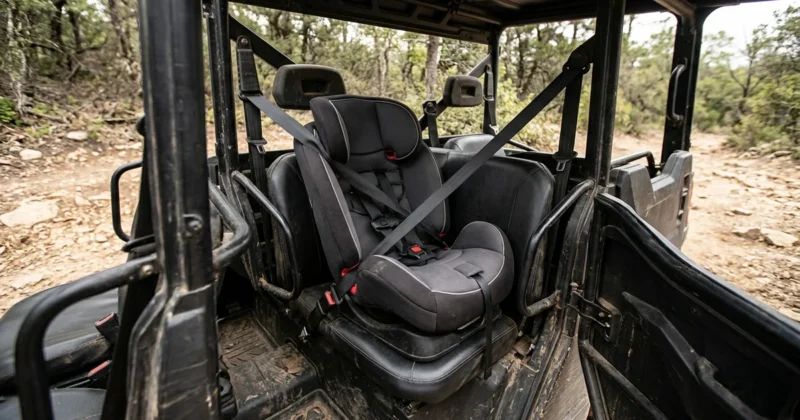
    Installing a car seat in a UTV demands precision and adherence to UTV safety guidelines. Utilizing the harness or seatbelt is fundamental in securing the car seat appropriately. It’s imperative to consult both the vehicle owner’s and car seat manuals to comprehend the installation nuances and confirm that the installation aligns with the manufacturer’s recommendations.

    In a UTV, the dynamics are significantly different from standard vehicles, and the installation process needs to accommodate the unique structural elements of a UTV. The car seat should be positioned in a stable and secure spot within the UTV, ensuring that it doesn’t have any room to move, thereby offering maximum protection to the child during the ride. The car seat should be anchored firmly, and its stability should be verified by checking that it does not move more than an inch in any direction at the belt path.

    The alignment of the car seat is crucial. It should be installed in a way that it remains level, ensuring the child’s comfort and safety. The harness straps should be at or below the child’s shoulders, and the harness chest clip should be positioned at the armpit level to avoid any discomfort or potential harm to the child.

    It’s essential to consider the type of car seat being installed. Whether it’s a rear-facing car seat for infants or a forward-facing seat for older children, each comes with its specific installation requirements and considerations. The weight and height of the child should be taken into account to choose the appropriate type of car seat, ensuring optimal safety.

  • How Crucial is the Seat Belt in a UTV?

    The seat harness is a paramount component in a UTV, serving as the primary restraint system to secure occupants, be it a child in a car seat, an older child in a booster seat, or an adult. Its role is pivotal in maintaining the safety and well-being of every passenger during the journey, especially during off-road excursions where the terrain can be unpredictable.

    In the unique environment of a UTV, the seat harness works in tandem with other safety components like car seats and harnesses to provide comprehensive protection. It ensures that the child remains securely positioned within the car seat or booster seat, preventing any unwanted movement that could lead to potential injuries, especially when navigating through rough terrains.

    The 5-point harness is particularly effective as it secures the rider at five different points, reducing the risk of ejection during a sudden stop or impact. It distributes the forces experienced during a crash more evenly across the body, minimizing the risk of injury. This is especially crucial for younger riders whose bodies are still developing and are more susceptible to injuries.

    Moreover, the correct installation and adjustment of the harness are paramount. It should be snug but comfortable, ensuring that the child is restrained properly without any discomfort. Regular checks and adjustments are necessary to accommodate the growing child and to ensure the harness continues to provide optimal protection.

    The use of a harness should be complemented with other safety gear such as helmets, goggles, and appropriate clothing. These additional layers of protection are vital in shielding the young riders from potential impacts and environmental hazards, ensuring their well-being during the ride.

    Educating the young riders on the importance of staying properly restrained and wearing safety gear is essential. It instills a sense of responsibility and awareness about their safety, allowing them to develop good habits from an early age.

  • Keep the Kids Safe with a Car Seat in Your UTV

    It is indeed possible and crucial to place a car seat in a side-by-side UTV when young ones are joining in on off-road adventures. It’s essential to ensure that the little ones are securely restrained and safe while enjoying the ride.

    I’ve learned that it’s not just about installing a car seat; it’s about considering the unique aspects of UTVs and adapting safety measures to ensure the utmost safety.

    A Unique Perspective

    While many articles focus on the hardware aspects of UTV safety, let’s not forget the emotional comfort of our kids. A familiar toy or blanket can make a world of difference in making them feel safe and sound in a new environment like a UTV.

    UTV Bump Seats

    [affiliatable id=’185811′]

    [affiliatable id=’185809′]

    UTV Mini Bucket Seats

    [affiliatable id=’185815′]

    [affiliatable id=’185817′]

    UTV bench seats

    Now for the more expensive option but it is the nicest look for your UTV, the bench seat. Now this is going to require a lot more work to install than a typical car seat. But if you are like me you like modding your UTV and getting your hands dirty.

    [affiliatable id=’185939′]

    Many states require UTV youth helmets for children under the age of 18

    [affiliatable id=’185819′]

    Don’t forget the grab bar

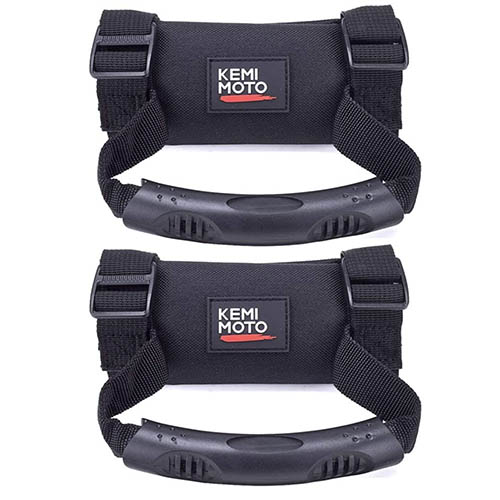
    Give those tiny hands a sense of security and steadiness with the installation of grab bars. Adding one to your vehicle is simple, convenient, and requires only minimal effort. With an aftermarket grab bar in place, toddlers can feel more relaxed as they explore trails ahead – there’s no stopping them!

    grab bar UTV Gear, Tips & Tricks

    Kemimoto Grab Bar (Check price on my Amazon affiliate link)

    Keep your kids neck safe in a side by side

    If not secured correctly, riding on uneven ground can be detrimental to the necks of young riders. Neck collars are perfect for supporting your little ones head and neck.

    Also When selecting a reliable UTV booster seat for your child, the most essential element to consider is whether or not it matches their age and size. Booster seats are specifically designed for those youngsters who are too large for an ordinary car seat but nevertheless too small to use a standard-sized safety belt without additional help. Accordingly, selecting the correct booster seat for your child’s age and size is a must. Additionally, verifying that the booster seat is compatible with your UTV’s seating system and restraint protocols as well as ensuring proper installation based on manufacturer guidelines are also essential steps to take before you go out for a drive. When selecting a booster seat for your UTV, the most critical aspect to consider is whether or not it is suitable for the age and size of the child who will be using it. Designing with these two characteristics in mind can ensure that you make the best decision possible when purchasing a seat.

    What Kind of Booster Seat is Suitable for a UTV?

    Booster seats are essential for children under 8 years old. In most states, it’s illegal for a child to ride in a UTV without a booster seat. I’ve found that seats designed specifically for UTVs, like the ones available for Polaris or Can-Am UTVs, offer a better experience than trying to adapt a regular seat.

    Is a Helmet Necessary?

    Absolutely, helmets are non-negotiable. In fact, in many states in the US, it’s required by law for riders under the age of 18 to wear helmets. I always make sure my kids wear full-face off-road helmets that are strong enough to support their head from bouncing and straining their neck.

    What About Harnesses?

    A 4-point harness is far more secure than a regular seat belt and is one of the best ways to keep your kids safe in their seat. Aftermarket harnesses are available that are specially designed for young ones, and they’re well worth the upgrade.

    Why is a Seat Belt Not Enough?

    A seat belt might seem sufficient, but it’s not designed to keep a small child safe in an off-road vehicle like a UTV. A harness is much more secure and prevents your child’s head from bobbling around, especially when you’re navigating through rough terrains in your Polaris Ranger or Can-Am UTV.

    What About Other Safety Gear?

    Safety gear like goggles and handholds are also crucial. The saying goes, “It’s better to have it and not need it than to need it and not have it.” So, make sure your UTV child is equipped with all the necessary safety accessories like air pumper systems.

    Using a Booster Seat: Is it Different in a UTV?

    Yes, using a booster seat in a UTV is different than in a car or truck. UTVs are off-road vehicles, and the seats and booster seats need to be compatible with the UTV’s roll cage and other structural elements to ensure child safety.

    What are the Legal Requirements?

    Always check your local laws before heading out. Legal requirements can vary from state to state, and you don’t want to find yourself on the wrong side of the law. For instance, some states require all riders under the age of 18 to wear helmets.

    Conclusion

    Keeping your little ones safe while enjoying a ride in a UTV involves more than just strapping them into a car seat. From booster seats and helmets to harnesses and other safety gear, proper preparation is key. And remember, safety starts with you—so lead by example and make sure you’re also equipped with the proper safety gear. Happy trails!


    Driving or riding in a UTV is risky by nature, and we cannot be held responsible for any injuries or accidents caused as a result of our writing. Please note that this information should only be used for entertainment purposes.

  • How Often Should I Service My UTV?

    How Often Should I Service My UTV?

    You should service your UTV at the beginning of each riding season. Be sure to check your fluids, air filter, lubrication, and brakes regularly

    Maintenance is often overlooked on a UTV, which can lead to some bigger problems in the future and put a pretty big dent in the old wallet. So preventative maintenance is key, especially when it comes to keeping your vehicle in good shape and helping you to avoid costly repairs down the road.

    Check out Rocky Mountain ATV

    paraphrased transcript below

    I’ll be covering with you my top five UTV maintenance tips to help you protect your investment and keep your vehicle ready to rock for the trails to come. Now, a lot of these same serviceable items that are found on this machine can be found on a lot of the other UTVs that are out there. So here are my top five UTV maintenance tips.

    Should I Grease my UTV Joints?

    My first tip is greasing your zerks. Yes, you heard me right. I said zerks. And you’re probably wondering what the heck that is. Well, it’s a grease fitting that’s attached to a pivot point on your vehicle that usually experiences a lot of movement and friction. So you want to locate the grease zerks on joints and fittings and lubricate them with your manufacturer’s recommended lubricating grease.

    Should I grease my UTV joints UTV Gear, Tips & Tricks
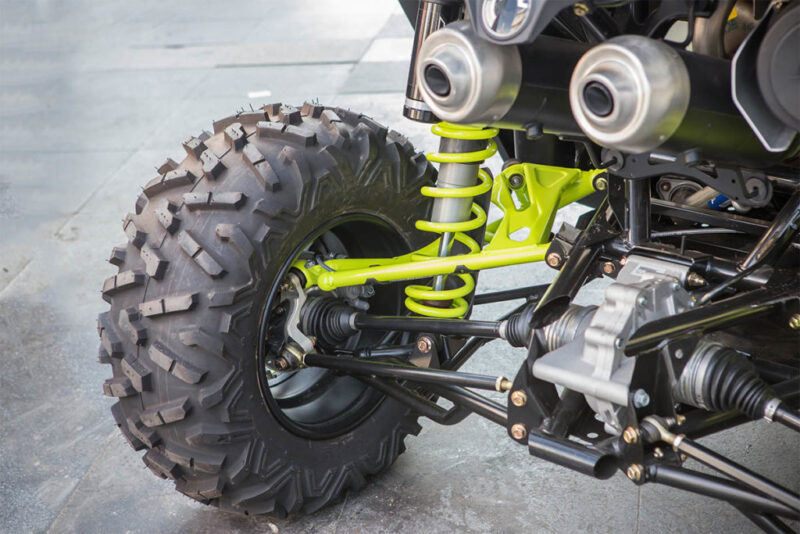
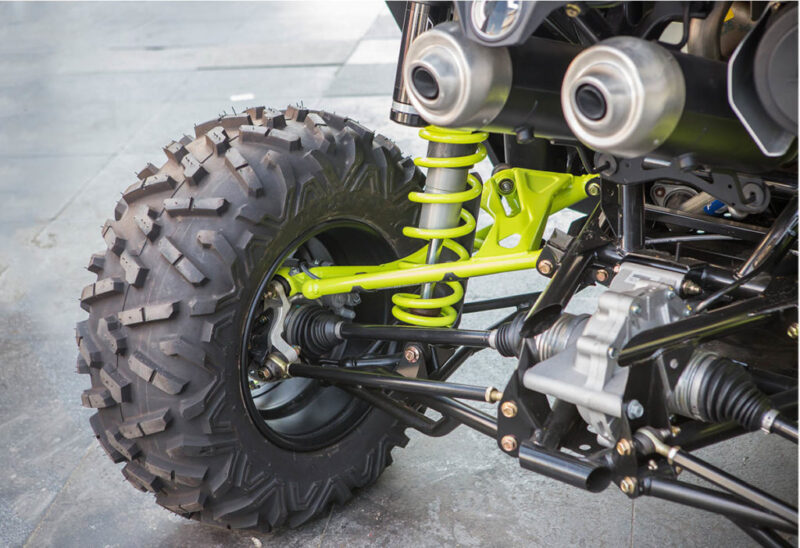
    Selective focus wheel and shock absorber of Buggy car

    Should I grease my UTV joints? Yes you should grease your UTV joints.  Keeping these joints and fittings lubricated will help you to eliminate friction and excessive wear on these items. The grease works are usually located at the front of the vehicle, around the A-arms, and at the sway bar, if you have one.  At the rear of the vehicle they are located around the rear sway bar and the drive line connections.

    They can be found in various other locations. And if you need help locating those, be sure to reference your service manual for that specific information. So while you’re going through hitting all of your grease fitting locations, there are some other high-wear items that you want to inspect, which would include your ball joints, bushings and bearings.  Once these parts wear out, they’re definitely going to affect your machine.  So while you’re giving it a good once over, be sure to give these parts an inspection and add proper lubrication to each area as needed.

    How often do I change my UTV air filter UTV Gear, Tips & Tricks

    How often do I change my UTV Air Filter?

    Change your UTV air filter after about 50 hours of use, but if you ride in especially sandy or muddy conditions, then you should check it more often. 

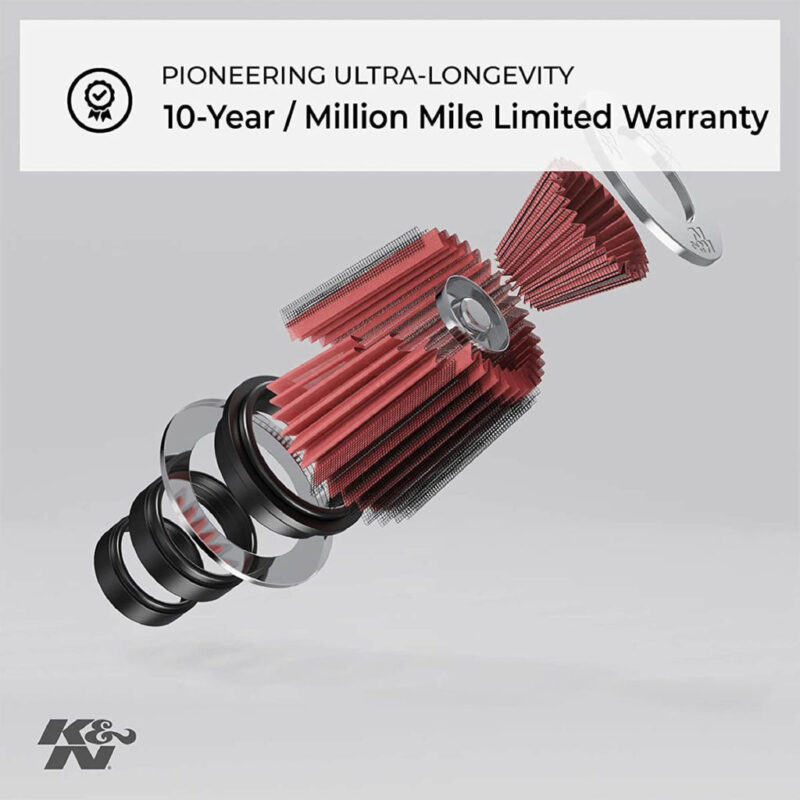
    This tip seems like a no-brainer, but it’s something that I see get overlooked way too often, and that’s the air filter. So if you’ve got a serviceable one, that’s a fabric like a K&N you’ll want to clean it. Or if you have a paper type that’s an OEM or aftermarket, you’ll want to change it out regularly.

    UTV Air FIlter UTV Gear, Tips & Tricks

    Shop UTV Air Filters (affiliate link)

    The air filter is what cleans the air that is fed to your engine. So you want to keep that air clean. So keeping up on your vehicle’s air filter maintenance is key, especially if you want to keep it in good shape

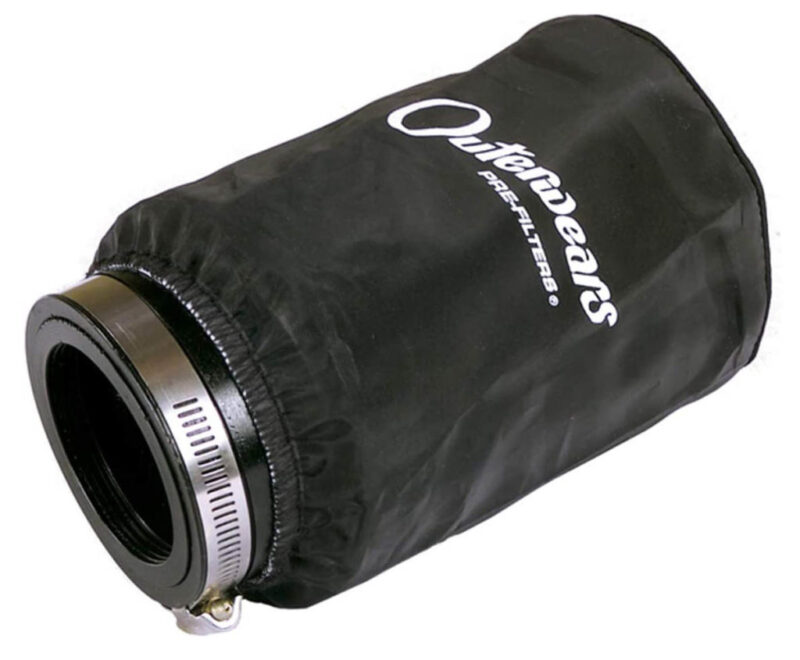
    There are many aftermarket products that will help to extend the life of your air filter, and one of those products that I like to use are the outerwears pre-filter. The outerwear pre-filter makes a great addition to an aftermarket or stock filter that really helps to filter out the fine particles and dirt, especially if you like to ride at the sand dunes.  There are plenty of options for pre-filters or for replacement filters and intake accessories, so be sure to check those out. 

    Outerwears pre filter UTV Gear, Tips & Tricks

    Shop Outerwears Pre-Filters (affiliate link)

    How often should I change my UTV Oil?

    You should change the oil in your UTV every 100 hours or 1000-1500 miles.  This will kep your side by side in top condition.  The engine oil is like the lifeblood of your engine. So before each major ride, you definitely want to give the final engine oil level a check. Making sure there is not too much engine oil or too little engine?

    All can definitely cause some problems for you. Changing how the engine oil and the engine oil filter is a good thing to do that will help you to keep your engine in good shape and so that you can get the most out of it.  If you’re out there racing your machine or subjecting it to some really extreme riding conditions, you may want to change out that engine oil a little more often than the manufacturers recommend.  UTV oil change kits are an easy option for the DIY guy they’ll come with all the oil that you’ll need. The oil filter, crush washers and O-rings. 

    UTV Oil Change Kit UTV Gear, Tips & Tricks

    Shop UTV Oil Change Kits (affiliate link)

    It’s good to keep an eye on the level and condition of Other fluids like engine coolant, because it keeps your machine running cool. Now, when it comes to servicing it, most manufacturers recommend that you change out the coolant once every five years.  Now, depending on how hard you run your vehicle, you may want to change out the coolant more often. Some people change it up once every year, once every 2 to 3 years, or they just follow the vehicle manufacturers recommendation and change it out once every five. 

    When it comes to transmission and gear case oils, they’re not changed out nearly as often as the engine oil, but they are just as important to service.  Now, it’s always good to follow the vehicle manufacturer recommendations as to how often you should be changing them. But again, if you’re subjecting your vehicle to some really harsh conditions, it’s always good to keep up on the maintenance of these fluids. And remember, it’s a lot cheaper to replace the engine, oil transmission, oil, coolant and other fluids than it is to replace the engine transmission or gear case.

    How often do I change my UTV drive belt 1 UTV Gear, Tips & Tricks

    How often do I change my UTV drive belt?

    So the next item on my list is the drive belt. Now, the drive belt is what transfers the power that’s made from your engine through your clutches to your transmission. Now, keeping up on the inspection and condition of your drive belt, along with knowing how to properly operate your vehicle, will help you to get many enjoyable miles out of your machine.

    UTV Drive belts UTV Gear, Tips & Tricks

    Shop UTV Drive Belts (affiliate link)

    When it comes to inspecting your drive belt, you want to be looking for excessive signs of wear, which would include glazing cracks or brakes, missing car, flat spots or any signs of abrasion. Along with the inspection of the belt, you’ll want to check and inspect your inlet and outlet ducts to make sure that they’re clean and clear of any obstructions.

    How often service UTV

    While you’re in there, take some compressed air, clean off the pre-filter that provides that cool air, as well as blow off the clutch sheaves to remove any fine dust, dirt and particles. The drive belt and the CVT clutches experience a lot of wear, so it’s good to keep an eye on them and give them a good inspection.  The wear items that are inside of the clutch as well as the belt you’ll definitely want to keep an eye on because if they go bad, they can really cause you some problems down the road. Now, if you need help with inspecting your clutch, be sure to see our video on how to do just that.

    How Often Do I Change UTV Brakes?

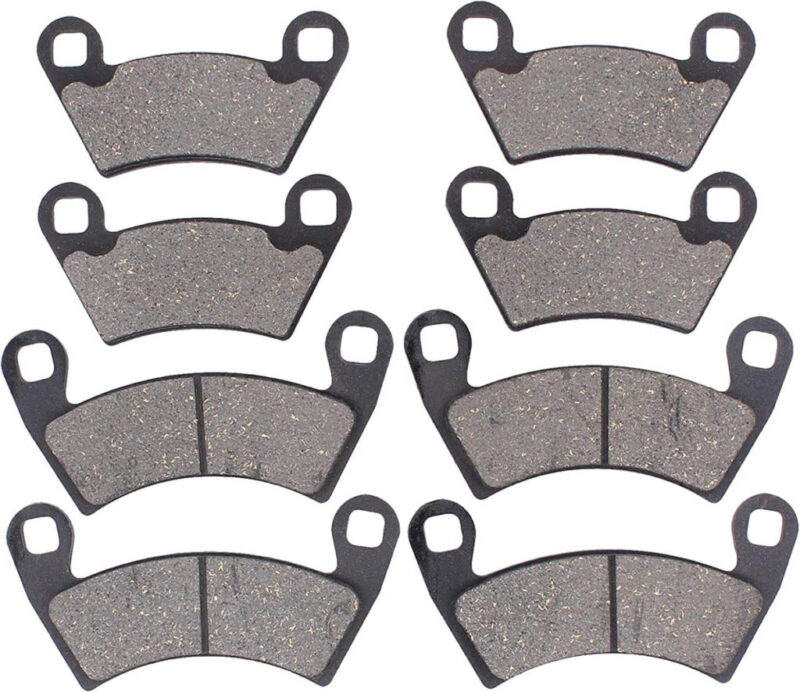
    You should replace your brakes when you’re down to about an eighth of an inch of pad left, you’re going to want to replace your UTV brakes.  When inspecting your brake pads, once you’re down to about an eight inch of pad left, you’re going to want to look into replacing those sooner rather than later. It’s really fun to be able to go fast, but it’s even more terrifying if you can’t stop now when it comes to inspecting them. There’s a few things that you want to check. You want to check your brake pad thickness, the routing of your lines, as well as the quality and level of your brake fluid.  You’ll also want to double check the rotor. If your rotors start to get grooved, you might want to be replacing that along with the brake pads.  

    UTV Brakes UTV Gear, Tips & Tricks

    The Best UTV Brake Deals (affiliate link)

    When it comes to the routing of the brake hose, you want to inspect its routing and make sure that the hose itself isn’t experiencing any excessive wear or getting any holes in it. That would be really bad. Now, if you have any loose brake lines, you’ll want to make sure to get those nice tight and secured to the frame or inappropriate location and keep them away from any sharp edges or objects. 

    Now for your brake fluid, most manufacturers recommend that you replace it every two years, but when it comes to your vehicle, you want to make sure and double check with the manufacturer’s recommendations.

    Conclusion

    Every manufacturer recommends services specific to their vehicles. You should always follow the manufacturer’s recommendations, but a good general rule of thumb is to service your vehicle once a year or every 500 hours. If you’re the type who likes to do everything on your own, or you don’t have access to a technician and want to save some money, then you can service your UTV yourself.

  • Can You Put a Car Seat In a UTV?

    Can you put a car seat in a UTV

    Absolutely, a car seat can be installed in your UTV with the right combination of components. It is imperative to ensure that the seat and its restraints are compatible with the design of your ride, as well as suitable for your child’s size and age. To guarantee safety while riding in a UTV, make sure you secure it properly within its seating system before hitting rough terrain! To ensure your child is safe in a UTV, you must be certain the car seat you’re using is appropriate for their age and size. Moreover, make sure it’s installed correctly to manufacturer guidelines. For optimal safety, seek advice from your UTV producer as well as the company that created your car seat about how best to utilize them together.

    Although we don’t encourage young children to ride in a UTV, the most reliable way to guarantee your child’s safety is investing in an age-appropriate car seat that has been crafted for use with a UTV. Though these specialized seats can be relatively costly, it is well worth every penny for peace of mind and your family’s security. Protecting your little ones is of the utmost importance. When selecting a car seat, you’ll want one that ensures their comfort as well as safety. To make it simpler for you to decide, I’ve created a list of some outstanding UTV car seats designed specifically with small children in mind.

    Be sure to see what else a side by side can do.

    Benefits of a UTV car seat

    When choosing the optimal car seat for your UTV and its young riders, there are a few factors to consider. Many UTVs require particular seats that are designed specifically for their model. Although these custom-made car seats usually have higher prices than other options, they offer better safety features as well as compatibility with your vehicle’s manual or manufacturer’s specifications regarding weight capacity. The best way to make sure you’re selecting the most suitable option is by consulting either of those manuals before making any purchases!

    There are several potential benefits of using a car seat in a UTV. Some of the potential benefits of using a car seat in a UTV include:

    Car seats provide essential protection for your child in the event of an accident, making sure they are securely held in place and guarded from harm. Not only can car seats help to prevent injuries, but also reduce the risk of death by providing support and restraint for children riding a UTV. Investing in a quality car seat is one way you can ensure that your family remains safe on the road!

    Comfort and Support: UTV car seats are tailored precisely to offer a comfortable, secure seating experience for little ones that will make the ride more enjoyable.

    Enjoy the convenience that comes with using a car seat in UTVs; it makes transporting your child simpler, while ensuring they are secure and comfortable throughout their travels.

    Investing in a car seat for your UTV can provide numerous advantages, ensuring the comfort and security of your child while they are riding.

    What to look for in a UTV car seat

    Opting for the right safety gear to protect your precious kids when they join you on an off road vehicle outing is only part of the equation. You should also contemplate the size, age and weight capacity of your UTV in order to ensure it’s a safe and enjoyable experience.

    Review of the best car seats for a UTV

    When deciding which seat to get for your side by side, you have three main options: the booster seat, the bump seat, or the mini bucket seat. There is a fourth option that is pricey and that is replacing your rear bucket seats with a bench seat. All options come with their own positive and negative aspects, so it’s up to you to determine what works best for your child and if it can fit in your UTV.

    UTV Bump Seats

    [affiliatable id=’185809′]

    [affiliatable id=’185811′]

    Are you still wondering if it’s possible to install a seat in your UTV? Well, now you know that with the proper seat, it is indeed achievable! The best bump seat for a UTV is the UTVMA RZR PRO 4 BUMP SEAT. It is one of the most comfortable car seats for kids. It is easy to install between the existing seats of your side by side and comes with a built-in youth harnesses / seat belt. This seat is a great choice for a small child who is learning to ride in a UTV. 

    Check out our article on the Polaris Ace

    UTV Mini Bucket Seats

    [affiliatable id=’185815′]

    [affiliatable id=’185817′]

    If you are considering a car seat for your UTV, the Mini Bucket booster is an excellent option! Its lightweight design and safety features make it one of the most sought-after types of seats on the market. Such as the Aces Racing Junior Seat.  This bucket booster seat gives your young riders a better, more secure view while they’re in the car. It is designed to fit comfortably over existing seats for easy installation and added safety.

    When selecting a booster seat for your UTV, it’s crucial to consider the size and weight of your child. If they weigh less than 40 pounds and are shorter than 40 inches, then a three-point car seat is the optimal choice. Alternatively, if they tip between 40-80 pounds but measure under 40 inches tall, then a five-point harness car seat should be purchased instead. If you have a young one weighing between 80-120 pounds and shorter than 40 inches, the best choice for them is undoubtedly a five-point harness car seat with a detachable cover. For those over 120 lbs but still under the height of 40 inches, it’s strongly recommended to go with another 5 point harness. Additionally, don’t forget that an extra handhold or grab bar should be attached easily to your UTV roll cage – this ensures their safety even further! However, these are merely rough guidelines; make sure to double check your state laws for more precise information.

    UTV Booster Seats

    Is your kid a little older and/or a little too big for a mini bucket seat or a jump seat? Then a booster seat may be the better fit. They just slide into the existing seat and work with your existing harness.

    [affiliatable id=’185930′]

    [affiliatable id=’185932′]

    UTV bench seats

    Now for the more expensive option but it is the nicest look for your UTV, the bench seat. Now this is going to require a lot more work to install than a typical car seat. But if you are like me you like modding your UTV and getting your hands dirty.

    [affiliatable id=’185939′]

    Many states require UTV youth helmets for children under the age of 18

    [affiliatable id=’185819′]

    Don’t forget the grab bar

    Give those tiny hands a sense of security and steadiness with the installation of grab bars. Adding one to your vehicle is simple, convenient, and requires only minimal effort. With an aftermarket grab bar in place, toddlers can feel more relaxed as they explore trails ahead – there’s no stopping them!

    grab bar UTV Gear, Tips & Tricks

    Kemimoto Grab Bar (Check price on my Amazon affiliate link)

    Keep your kids neck safe in a side by side

    If not secured correctly, riding on uneven ground can be detrimental to the necks of young riders. Neck collars are perfect for supporting your little ones head and neck.

    Also

    When selecting a reliable UTV booster seat for your child, the most essential element to consider is whether or not it matches their age and size. Booster seats are specifically designed for those youngsters who are too large for an ordinary car seat but nevertheless too small to use a standard-sized safety belt without additional help. Accordingly, selecting the correct booster seat for your child’s age and size is a must. Additionally, verifying that the booster seat is compatible with your UTV’s seating system and restraint protocols as well as ensuring proper installation based on manufacturer guidelines are also essential steps to take before you go out for a drive. When selecting a booster seat for your UTV, the most critical aspect to consider is whether or not it is suitable for the age and size of the child who will be using it. Designing with these two characteristics in mind can ensure that you make the best decision possible when purchasing a seat.

    Conclusion to can you put a car seat in a UTV

    As a responsible parent and grandparent, it’s crucial to understand the best protective gear for children inside an UTV and investigate the varieties of car seats available. Furthermore, be certain to adhere with local laws as well as safety rules, including that helmets are essential for little ones. There are many different types of UTV car seats for children, but the most important thing to remember is that you should get a car seat that is appropriate for the child’s weight and height and it is secured properly to your UTV. Also make sure it’s a seat designed for use in a side by side. We ought to keep our dear little ones out of harm’s way – so let us not take chances! To sum up, it is feasible to install a car seat in a UTV, yet the level of security and appropriateness will depend on various factors such as the type of UTV and car seat used, alongside the age and size of your child. It is absolutely essential that you ensure that both components are correctly mounted with each other as well as compatible with all safety systems built inside the vehicle. Besides, you must guarantee that the car seat is suitable for your child’s age and size as well as it has been accurately installed in line with the manufacturer’s instructions. All things considered, it is best to seek advice from the UTV producer and also refer to their guidelines concerning utilizing a car seat within an UTV.

    ——————————

    Driving or riding in a UTV is risky by nature, and we cannot be held responsible for any injuries or accidents caused as a result of our writing. Please note that this information should only be used for entertainment purposes.

  • The Ultimate Guide to Buying a Used UTV for Beginners

    The Ultimate Guide to Buying a Used UTV for Beginners

    Have you ever considered purchasing a pre-owned UTV, but didn’t know where to begin? If so, this guide is for you! We will discuss everything from what factors to consider when buying used Side by Sides and how to get the best deal. By the conclusion of this brief yet comprehensive guide, preparing yourself for your next off-roading vehicle purchase has never been easier – you’ll be an authority in buying used UTVs!

    Decide what you need a UTV for

    Before purchasing a secondhand UTV, take the time to evaluate what you plan on using it for. If your purpose is simply recreational riding and touring, there’s no need to invest in a vehicle that has advanced characteristics. On the other hand, if you’re intending to use it while on hunting or fishing trips then make sure that your chosen model comprises all the components needed during such expeditions.

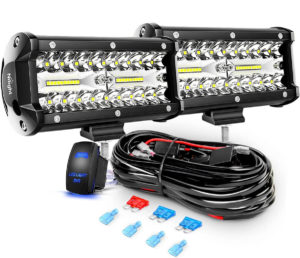
    UTV Light Kit
    Affordable UTV Light Kit

    Do your research

    Prior to hitting the “buy now” button on a pre-owned UTV, ensure that you have completed your due diligence. Prioritize the following criteria when making this important decision:

    • Take a close look at the previously used UTV to make sure it is in top condition. Ensure that there are no visible signs of deterioration, and verify that its frame isn’t rusted or punctured.
    • Before you purchase, it is important to be mindful of which manufacturers offer warranties for their machines. As some do not provide this coverage, ensure that your desired item does come with a warranty before placing any bids!
    • If you plan on riding with your family, investing in a larger UTV is essential. Although it may cost more than the smaller machines that have fewer riders, making this purchase will ultimately prove worthwhile for those times when all of you ride together!

    Upgraded Features: When searching for the perfect UTV, ensure it comes with all of your desired accessories or ask about their cost to add on. Many models come ready with lights and other desirable features, but if not included you can easily buy them from the seller at an extra fee.

    Consider your budget

    As you search for a used side by side, budgeting is key! Not every model suits your wallet, so look over reviews and compare prices. Afterwards, when you know exactly what type of UTV you want to purchase, visit Craigslist or eBay for an outstanding bargain on a quality pre-owned vehicle.

    UTV Buying Guide

    Pay attention to the condition of the vehicle

    Check for engine issues

    Before you make the purchase of a pre-owned UTV, it is essential that you take the time to investigate and consider various factors which could affect its worth. Here are some important points to remember:

    • If you are considering acquiring a pre-owned UTV, the status of its individual parts should be one of your primary considerations. A damaged engine or faulty components can drastically reduce its value, so it’s important to inspect every aspect before making a purchase.
    • Engine issues can be a major red flag, and it pays to inspect your engine thoroughly. While some signs of an issue may appear immediately (think smoke billowing out the exhaust or subpar performance), many don’t show up until later down the line. Taking time to look over any possible problems before you invest will help ensure that you are getting your money’s worth in the long run.

    Check the suspension and steering components

    When searching for a pre-owned UTV, it’s essential to inspect the vehicle thoroughly. Make sure to identify any potential dings and scratches on the exterior, check if there is stiffness in tires or bearings, and take note of any rust around screws or bolts. Additionally, pay attention to sounds originating from within the vehicle as well as strange smells; if you find indications of damage regarding suspension or steering components – without fail locate another option!

    UTV Buyers Guide

    Take it for a test drive

    What to Look for When Test Driving a Used UTV

    When investing in a pre-owned UTV, it is essential to be mindful of the following considerations:

    1. Roll cage and frame
    2. Suspension and steering components
    3. Engine and transmission functions
    4. Braking systems
    5. Storage capacity. 

    Make sure to carefully assess factors like seating space, weather-proofing features, and entertainment choices. If you can’t find the details you need on the UTV itself or in its documentation, reach out to your relatives or friends who have recently rented or purchased a similar vehicle for their own use.

    Buying a side by side

    Tips for Test Driving a Used UTV

    Before committing to a purchase of your used UTV, make sure you take it on a test drive. To ensure the ride is as effortless and comfortable as possible, here are some tips:

    1. Make sure the tires are properly inflated. A tired suspension will show in poor handling and could lead to a dangerous crash.
    2. Check for loose or damaged components before taking the vehicle out on the open road. A ripped seat might not seem like a big deal, but if it causes instability during turns or higher speeds, it can be downright dangerous.
    3. Be familiar with the controls before hitting the trails or open roads – even veteran drivers should review basic operations in advance! Knowing exactly where your levers and buttons are can make for a more pleasurable ride.

    If you’re a beginner at operating a UTV, ensure that an experienced individual accompanies you while taking the vehicle out for a spin. Knowledgeable drivers are aware of how to adjust their driving on trails and roads to stay in control – plus they won’t panic if they can no longer spot you! An extra pair of eyes will be beneficial as you become accustomed to driving your new ride.

    Making the Most of Your Test Drive

    Before making an offer on a pre-owned UTV, be sure to take it for a spin first. This is the only way you can guarantee that the vehicle meets your requirements and is free from any potential repair costs. Also, if you chiefly have eyes for a particular make or model year of UTVs, taking one out for testing will give you greater insight into what to expect in terms of price point and overall condition when shopping around.

    Keep the Side by Side secured on the trailer

    Have a mechanic check it out

    Looking to purchase a pre-owned UTV? Before you commit, make sure it’s been inspected by an experienced mechanic. While buying used can be an economical solution, you should always research the vehicle and ensure that it is in optimal condition. After all, your safety comes first! If possible, securing a warranty as well would provide extra security for any unforeseen issues down the road – making your investment even more worthwhile.